
Planting
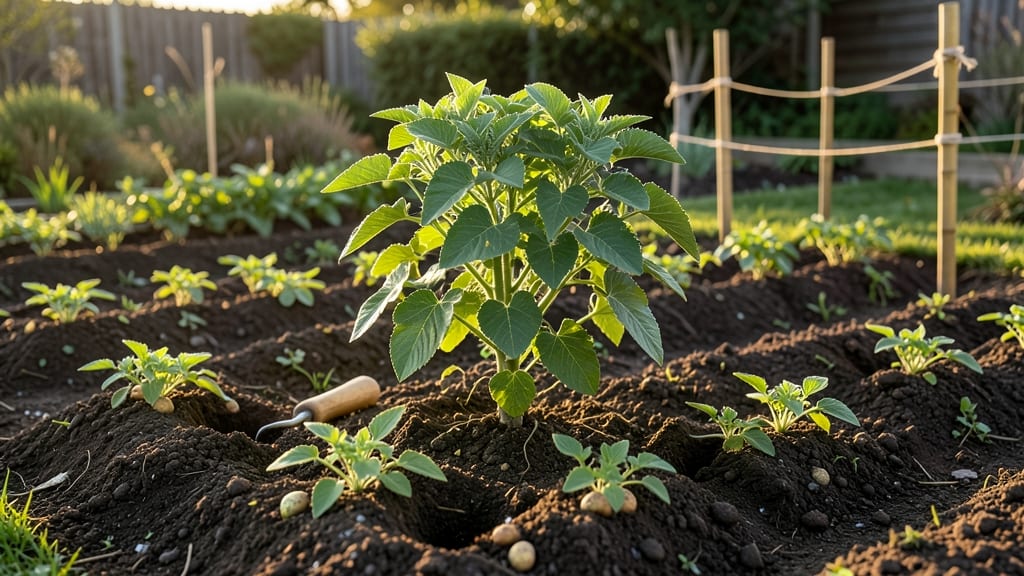
Proper potato spacing in your garden is the difference between a bountiful harvest and a patchy, disease-prone mess — and most gardeners get this step dead wrong.
Picture this: you’ve spent weeks nurturing your 🥔 plants, only to watch them twist into gnarled, blight-ridden stumps because they were crammed too close. Or worse, you wasted space on rows so wide they left half your bed empty.
The right spacing isn’t just about fitting more potatoes in—it’s about airflow, sunlight, and stopping rot before it starts.
In this guide, I’ll break down the exact spacing your potatoes need based on their type (early, mid-season, or late), plus how to tweak your layout for small gardens or high-yield plots. We’ll also cover the most common mistakes and how to fix them before your harvest season arrives.
By the end, you’ll know exactly how to arrange your rows for maximum yield—without sacrificing quality or fighting off disease. Let’s dig in.
Optimal potato spacing by variety and row layouts
Getting your potato spacing right transforms a good harvest into a great one. Too close, and you’ll battle blight and rot; too far apart, and you waste precious garden space.
The key lies in matching your variety type to the right spacing—whether you’re growing russets, fingerlings, or new potatoes. Even the row width matters, as it affects airflow and sunlight penetration.
For most gardeners, 12–18 inches between plants is a solid starting point, but fingerlings thrive with just 6–12 inches of space. Meanwhile, late-season varieties like Yukon Golds need extra elbow room to develop their signature large tubers.
Pair this with 24–36-inch-wide rows, and you’ll create the perfect balance of air circulation and sun exposure—critical for preventing disease and maximizing yield.
Let’s break it down by variety and layout. Whether you’re working with a small urban plot or a large backyard garden, these guidelines will help you space potatoes like a pro.
Below is a quick-reference table for potato spacing by variety, including row width and plant-to-plant distance to ensure healthy growth and easy harvesting.
If you’re growing multiple varieties in the same garden, consider spacing them in separate rows to avoid competition. For example, plant fingerlings in a narrow row alongside lettuce or radishes, while reserving wider rows for russets or Yukon Golds.
This interplanting strategy maximizes space and reduces disease spread by varying plant heights and foliage types.
Another pro tip: orient your rows north-to-south in the Northern Hemisphere (or south-to-north in the Southern Hemisphere). This ensures even sunlight exposure across all plants, preventing the shading issues that lead to uneven growth or disease hotspots.
In smaller gardens, you can even stagger rows in a herringbone pattern to create natural pathways for airflow.
For container growing, adjust spacing to 8–12 inches between plants and use 5-gallon buckets or large pots to accommodate root growth. Just ensure your containers have drainage holes to prevent waterlogged soil, which invites rot.
In raised beds, maintain the same spacing as in-ground planting but reduce row widths to 18–24 inches to fit more plants in limited space.
One final rule of thumb: always hill soil around your potato plants as they grow. This encourages tuber formation and prevents greening (toxic solanine buildup) from exposure to light.
Start hilling when plants reach 6 inches tall, adding 4–6 inches of soil every few weeks until the hill reaches the plant’s top leaves.
With the right potato spacing and row layout, you’ll enjoy larger yields, healthier plants, and fewer headaches from pests and diseases. Happy planting—and may your harvest be bountiful! 🥔
Common mistakes in potato spacing and how to fix them
When I first planted potatoes, I assumed closer spacing would mean more harvests—but I ended up with stunted tubers and fungal blight instead. The truth is, potatoes need room to breathe, both above and below ground. Overcrowding creates perfect conditions for disease, while under-spacing limits root growth and yield.
Even the direction of your rows can impact sunlight exposure and airflow.
Let’s tackle the three biggest spacing mistakes gardeners make—and how to correct them before your next planting. These fixes will help you avoid wasted effort and maximize your potato harvest per square foot.
Whether you’re working with a small raised bed or a large in-ground plot, these adjustments make all the difference.
⚠️ Warning: Poor Spacing = Lost Harvests
Overcrowding blocks sunlight and airflow, creating humid microclimates that invite late blight and scab. Under-spacing leads to small, misshapen tubers and reduced yields by 20-40%. Even north-south row orientation is critical—east-west rows can shade plants and slow growth.
Mistake #1: Planting potatoes too close together (less than 12 inches apart). This is the most common error, especially with fingerling varieties or small garden plots. When plants compete for nutrients and sunlight, they produce fewer, smaller tubers and become stressed, making them vulnerable to disease pressure.
For example, I once saw a garden where potatoes were planted 6 inches apart—by harvest time, the tubers were the size of marbles and covered in rot.
Fix: Space seed potatoes 12–18 inches apart in rows 24–36 inches wide. Smaller varieties like Yukon Gold can go on the tighter end (12 inches), while russet potatoes need the full 18 inches.
If you’re short on space, consider vertical growing with straw or grass clippings to create hills, which gives tubers room to expand downward without crowding.
Mistake #2: Underestimating row width (less than 24 inches). Narrow rows create a tunnel effect, trapping moisture and blocking airflow. This is a recipe for blight outbreaks, especially in humid climates.
I’ve seen gardeners pack rows just 18 inches wide, only to lose half their crop to fungal diseases by midsummer. The issue isn’t just spacing—it’s the lack of circulation that turns a healthy garden into a disease hotspot.
Fix: Aim for 30–36 inch rows to allow for easy access and airflow. If space is limited, plant in single rows rather than double rows. You can also interplant with shallow-rooted crops like lettuce or radishes in the gaps, but avoid deep-rooted companions that compete for nutrients.
Mulch with straw or grass clippings to maintain even moisture without smothering the plants.
Mistake #3: Ignoring row orientation. Most gardeners plant potatoes in east-west rows without realizing this can reduce sunlight exposure by up to 20%. When rows run east-west, the morning sun hits the plants at an angle, and the afternoon sun can create long shadows that limit growth.
I learned this the hard way when my russet potatoes grew lanky and produced fewer tubers than expected.
Fix: Always plant in north-south rows to maximize sunlight exposure. This ensures even light distribution throughout the day and reduces shading. If your garden is small, consider raised beds with north-south orientation—this also makes hilling and harvesting easier.
For container growing, place pots in a south-facing location to mimic this ideal setup.