
Tools
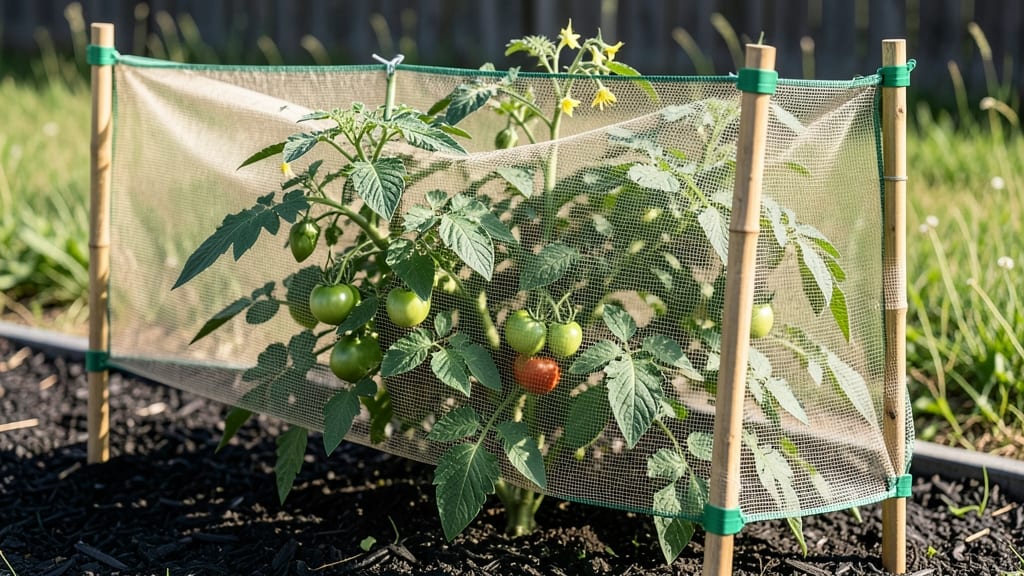
Using pest netting for gardens creates a physical barrier against insects, birds, and other wildlife while maintaining access to sunlight and water for your plants. Opt for fine-mesh fabric (1/4-inch or smaller) and secure it tightly over garden beds or frames to maximize protection.
Pest netting works like a shield for your garden, blocking unwanted critters while letting essential light and air through. 🌿 The right mesh size is critical—smaller holes stop tiny pests like aphids, while larger openings might let through beneficial insects.
I’ve found that UV-resistant materials last longer, especially in sunny climates, and breathable designs prevent overheating. This method is gentler than chemicals, preserving your plants' natural health and your family’s safety.
When choosing netting, consider the pests you’re dealing with—cabbage moths need finer mesh than birds, for example. For best results, pair it with sturdy frames like hoop houses or trellises, and secure the edges tightly to prevent gaps.
Seasonal adjustments, like loosening the netting in winter, can extend its lifespan and keep your garden thriving year-round.
💡 In This Article
- How Garden Pest Netting Works Against Common Threats
- Step-by-Step Guide to Installing Pest Netting in Your Garden
How garden pest netting works against common threats
The core function of garden netting is creating a physical barrier that blocks pests while maintaining environmental conditions for your plants.
The mesh size is the most critical factor—1/4-inch or smaller openings effectively stop aphids, cabbage moths, and even small beetles, while larger 1/2-inch mesh works better for bird deterrence.
The weave pattern also matters: tighter, hexagonal meshes provide better coverage than square weaves, which can create gaps where pests might squeeze through. 🔥
UV-resistant materials like polyethylene or polypropylene are essential because standard fabrics degrade quickly under sunlight, losing effectiveness in just a few months. These specialized materials maintain their structure while allowing 80-90% of sunlight and 95% of rainfall to penetrate, ensuring your plants continue to photosynthesize and hydrate normally.
The breathability is particularly important—unlike chemical pesticides that can harm beneficial insects, netting preserves the garden's ecosystem while targeting only the pests you're trying to exclude.
What makes netting particularly effective is its multi-layered defense mechanism. For example, when protecting brassicas from cabbage moths, a 0.6mm mesh creates a barrier that moths can't penetrate with their proboscises. Meanwhile, the netting's weight and tension create a physical obstacle that birds can't easily tear through.
This contrasts sharply with chemical sprays, which often require repeated applications, can harm non-target species, and may leave residues on edible crops. 🌿
Seasonal variations also influence netting performance. In summer, when pests are most active, you'll want the netting fully secured. However, during winter, you might loosen it slightly to allow better airflow and prevent moisture buildup that could encourage fungal growth.
The material's durability is tested most during windy conditions—heavier netting (like 30gsm polyethylene) holds up better than lighter options, though it may reduce visibility for some plants.
Consider this comparison: A 1/4-inch mesh blocks 98% of cabbage moths but only 70% of larger pests like squash bugs. This is why many gardeners use layered netting—fine mesh for delicate crops and coarser mesh for larger plants.
The key is matching the mesh density to your specific pest threats while ensuring the material remains breathable enough to support plant growth. 💫
For organic gardeners, the environmental benefits are significant. Unlike neonicotinoids or pyrethroids that can persist in soil and harm pollinators, netting provides immediate, chemical-free protection.
The long-term cost savings also add up—while the initial investment might be higher, the elimination of crop loss often pays for itself within a single growing season.