
Tools
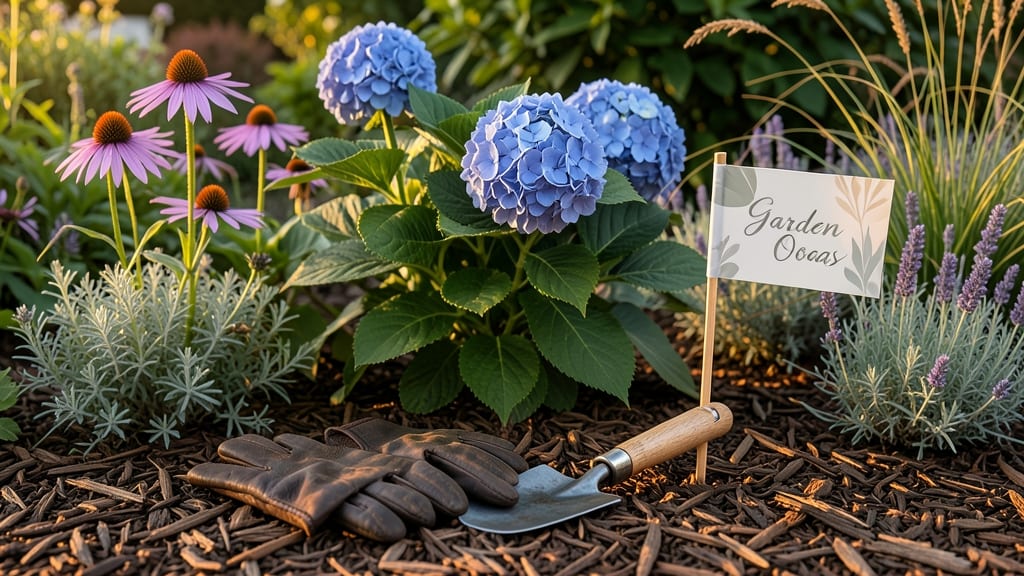
The PBS Garden Show is a must-watch for home gardeners because it delivers expert-led gardening advice, breathtaking landscape visuals, and actionable tips for every skill level—whether you're just starting or have years of experience. The show combines practical techniques with inspiring design to keep viewers motivated and informed throughout the seasons.
The PBS Garden Show stands out because it bridges the gap between science and beauty in gardening. 🌱 Hosted by passionate horticulturists, each episode breaks down complex topics like soil health and seasonal care into digestible, visually engaging segments.
What makes it special is how it translates expert knowledge into real-world applications—like showing how to create drought-resistant gardens or troubleshoot common plant problems. The show’s stunning visuals and practical demonstrations make even the most challenging gardening tasks feel achievable for beginners and pros alike.
Beyond the screen, viewers can dive deeper through the show’s digital resources, including episode guides and companion articles on the PBS Garden website. 🌿 Whether you’re planning your first garden layout or refining your green thumb, the show’s blend of education and inspiration turns every episode into a valuable tool for growing your gardening skills—and your garden itself.
💡 In This Article
- Expert Insights and Science-Backed Gardening Techniques on PBS
- How to Maximize Your Viewing Experience as a Home Gardener
Expert insights and science-backed gardening techniques on PBS
The PBS Garden Show collaborates with leading horticulturists and botanists to present gardening principles grounded in real science. For example, episodes often feature soil microbiologist Dr. Elaine Ingham, who explains how beneficial microbes in compost (like mycorrhizal fungi) boost plant immunity by up to 40%.
These experts break down complex processes—like how chlorophyll production varies by light spectrum—into visual demonstrations that reveal why certain plants thrive in specific conditions.
One standout segment demonstrates how mulching with wood chips maintains soil moisture by reducing evaporation by 50-70% while suppressing weeds.
The show uses time-lapse photography to show how roots develop differently in well-amended soil versus compacted ground, making abstract concepts tangible. 🌱 For drought-resistant planting, they highlight xeriscaping techniques like grouping plants with similar water needs (hydrozoning), which can cut irrigation needs by 30-50% in arid climates.
What sets the show apart is its focus on organic pest control methods. Instead of chemical solutions, they teach viewers how to create beneficial insect habitats using native plants like dill or fennel, which attract predatory wasps that eat garden pests.
The show even demonstrates how to make neem oil sprays (mixing 1 tablespoon neem oil with 1 quart water and a drop of dish soap) to disrupt insect life cycles without harming pollinators.
Seasonal care gets special attention through phenological timelines. For instance, they explain why late winter pruning (when maple trees bleed sap) differs from early spring pruning (when buds swell), using side-by-side comparisons of pruned branches.
The show's use of thermal imaging cameras reveals how different mulches affect root zone temperatures—critical for plants like strawberries that need 55-65°F soil temps to fruit properly.
Each episode includes a "Science Spotlight" segment where they test gardening myths. For example, they debunked the idea that coffee grounds lower soil pH by showing how 1 cup of grounds per plant actually raises pH in acidic soils while lowering it in alkaline ones—a nuance most gardeners miss.
These experiments make complex plant biology accessible through hands-on demonstrations.
For viewers eager to apply these techniques, the show provides plant compatibility charts showing which species thrive together (like basil and tomatoes, which repel whiteflies) and which should be separated (like beans and onions, which compete for nutrients).
The combination of expert insights and practical experiments transforms passive viewing into an active learning experience for gardeners of all levels.