
Advice
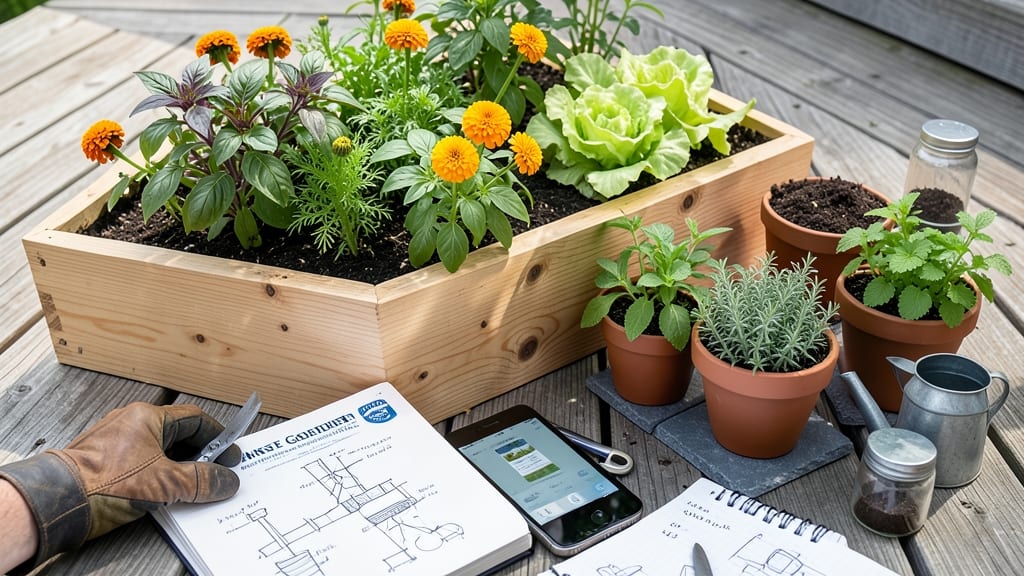
Online master gardener programs offer accredited certification through comprehensive courses in plant science, sustainable practices, and horticultural techniques, requiring 40-60 hours of study and culminating in a final exam. Reputable options include university extensions like Penn State's World Campus or Oregon State's online initiative.
These programs are perfect for anyone looking to deepen their gardening expertise without leaving home. 🌱 Whether you're a hobbyist or aspiring professional, you'll cover essential topics like soil health, plant diseases, and eco-friendly gardening methods.
Many programs also include hands-on projects to reinforce classroom learning, making them ideal for practical application in your own garden.
What sets these online courses apart is their flexibility—you can complete coursework at your own pace while still meeting deadlines. Plus, the certification opens doors to volunteer opportunities with local extension services, giving you a chance to give back to your community while putting your new knowledge to use.
💡 In This Article
- Key Certification Requirements for Online Master Gardener Courses
- Top-Rated Online Master Gardener Programs Compared
Key certification requirements for online master gardener courses
Online master gardener programs typically require a high school diploma or equivalent as the minimum educational prerequisite. Beyond that, many programs welcome participants with no prior gardening experience, though some advanced tracks may prefer applicants with foundational knowledge in botany or horticulture.
The core curriculum usually spans 40-60 hours of study, covering essential topics like plant anatomy, soil science, and integrated pest management—all delivered through interactive modules, videos, and discussion forums.
The most rigorous programs incorporate hands-on components, such as diagnosing plant diseases through submitted photos or designing sustainable garden layouts. For example, Penn State’s program includes a 10-question practical exam where students must identify pests or diseases from images.
Some programs also mandate a background check if certification leads to volunteer roles with county extension offices, ensuring participants meet community service standards.
Time commitment varies by program structure. Self-paced options (like Oregon State’s) allow 6-12 months for completion, while cohort-based programs may require finishing within 3-4 months to maintain peer engagement.
The final exam often combines multiple-choice questions with scenario-based answers, testing both theoretical knowledge and real-world application—such as calculating fertilizer ratios or diagnosing nutrient deficiencies from leaf symptoms.
What many students overlook is the post-certification requirement for continuing education. Most programs demand 10-20 hours of annual training to maintain certification, ensuring your knowledge stays current with emerging techniques in organic gardening or climate-adaptive horticulture.
This ongoing learning is particularly valuable for those pursuing careers in landscape design or agricultural education.
Consider this example: A student in Texas might focus on drought-resistant plants for their final project, while someone in the Pacific Northwest could specialize in acidic-soil gardening techniques.
These regional specializations are often built into the curriculum, allowing you to tailor your studies to your local climate and gardening challenges.
For those aiming to volunteer post-certification, programs like Cornell’s require additional training in public speaking and workshop facilitation, preparing you to teach gardening basics to community groups. This dual focus on technical expertise and outreach skills sets certified master gardeners apart in both professional and volunteer capacities.