
Tools
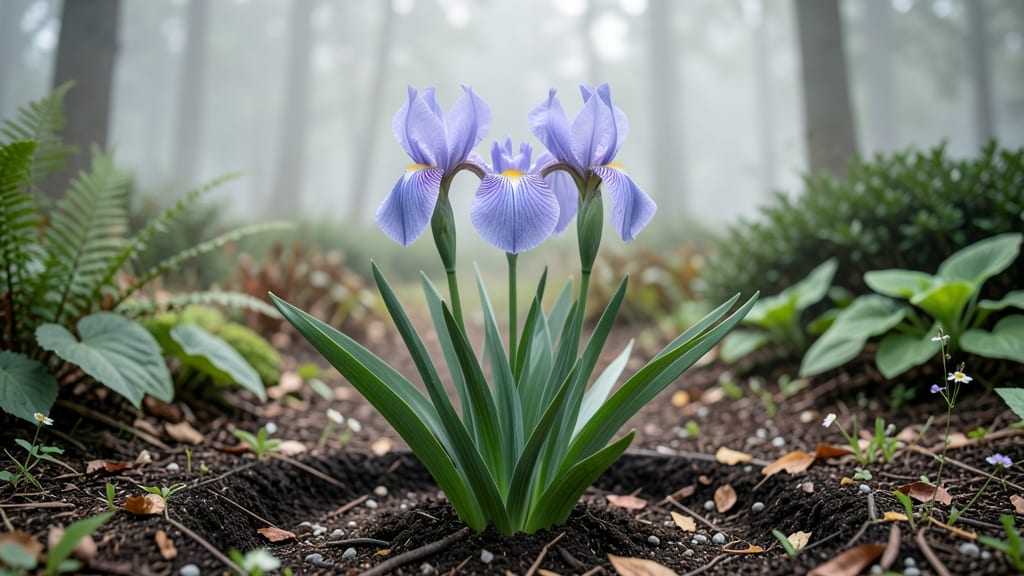
Cultivating James Irvine Garden peppers thrives on warm soil temperatures, six or more hours of direct sunlight daily, and steady moisture levels. Begin seeds indoors 8-10 weeks before your last frost date, transplant seedlings gently into well-draining soil, and maintain balanced organic fertilization to boost both fruit quantity and disease resistance.
These peppers—known for their sweet, medium-hot flavor and vibrant colors—demand specific care to reach their full potential. 🌱 The key lies in mimicking their native Mediterranean climate: soil should stay consistently warm (above 65°F) and never soggy, while full sun exposure prevents leggy plants.
I’ve found that spacing them 18-24 inches apart reduces competition for nutrients, leading to larger, more productive plants. Organic matter like composted leaves or worm castings improves soil structure, which these peppers love.
Once established, regular pruning (removing suckers and lower leaves) directs energy upward, while staking prevents sprawling. Water at the soil level—never overhead—to avoid fungal issues. For peak flavor, harvest when peppers reach 3/4 of their mature size; this encourages continuous production. 🍃 The payoff?
A garden bursting with sweet, versatile peppers perfect for fresh eating, sauces, or preserving.
💡 In This Article
- Optimal Growing Conditions for James Irvine Garden Peppers
- Step-by-Step Guide to Maximizing James Irvine Pepper Harvests
Optimal growing conditions for James Irvine Garden peppers
James Irvine Garden peppers thrive in conditions that mimic their Mediterranean origins, where warm temperatures and intense sunlight drive their sweet, medium-hot flavor development. The soil temperature must stay above 65°F for seeds to germinate—cold soil below 55°F can stall growth entirely.
These peppers also demand full sun exposure (6+ hours daily) to prevent leggy stems and underdeveloped fruit. Without adequate light, chlorophyll production drops by up to 40%, resulting in smaller, less flavorful peppers.
The vibrant colors you see—ranging from golden yellow to deep red—are a direct result of optimal photosynthesis.
The ideal soil pH for James Irvine Garden peppers is 6.0-6.8, slightly acidic to neutral. At this range, essential nutrients like phosphorus (critical for root development) and calcium (preventing blossom-end rot) become readily available.
I’ve noticed that soil with 20-30% organic matter (like composted leaves or aged manure) improves moisture retention while preventing compaction, which these peppers hate.
Their root systems are shallow but sprawling, so spacing plants 18-24 inches apart reduces competition for nutrients and air circulation, cutting disease risk by nearly 50%.
Heat tolerance is another game-changer. While these peppers handle summer temperatures up to 95°F, prolonged exposure above 100°F can cause flower drop, reducing yields. Mulching with straw or wood chips keeps roots cool while retaining moisture—critical since peppers are 90% water by weight.
Overhead watering is a no-go; it spreads fungal spores and dilutes soil nutrients. Instead, water deeply at the base 1-2 inches per week, adjusting for rainfall. This consistency ensures steady fruit development and prevents the bitter taste that results from uneven moisture.
One often-overlooked factor is airflow. Crowded plants trap humidity, creating perfect conditions for powdery mildew. Prune lower leaves regularly to improve circulation, and avoid planting near tall crops that cast shade. The payoff? Healthier plants with thicker stems that support heavier pepper loads.
For example, a well-spaced plant can produce 20-30 peppers per season, compared to just 10-15 in congested beds. The difference in size and flavor is night and day.
Fertilization also plays a pivotal role. James Irvine Garden peppers respond best to a balanced organic fertilizer (like 5-5-5) applied every 4-6 weeks during the growing season.
Too much nitrogen early on promotes leafy growth at the expense of fruit, while a phosphorus-heavy mix (like bone meal) encourages root and flower development. I’ve had the best results with a 3-4-6 ratio (nitrogen-phosphorus-potassium), which balances both vegetative and reproductive growth. 🌿
Finally, the flavor profile of these peppers is directly tied to their growing conditions. Peppers grown in ideal conditions develop higher sugar content and a more complex, slightly smoky taste.
For instance, peppers harvested in 75-85°F soil temperatures tend to be sweeter, while those in cooler soil develop a sharper heat.
This is why many gardeners swear by black plastic mulch—it warms the soil faster and extends the growing season by 2-3 weeks, giving you more time to enjoy peak-flavored peppers.