
Tools
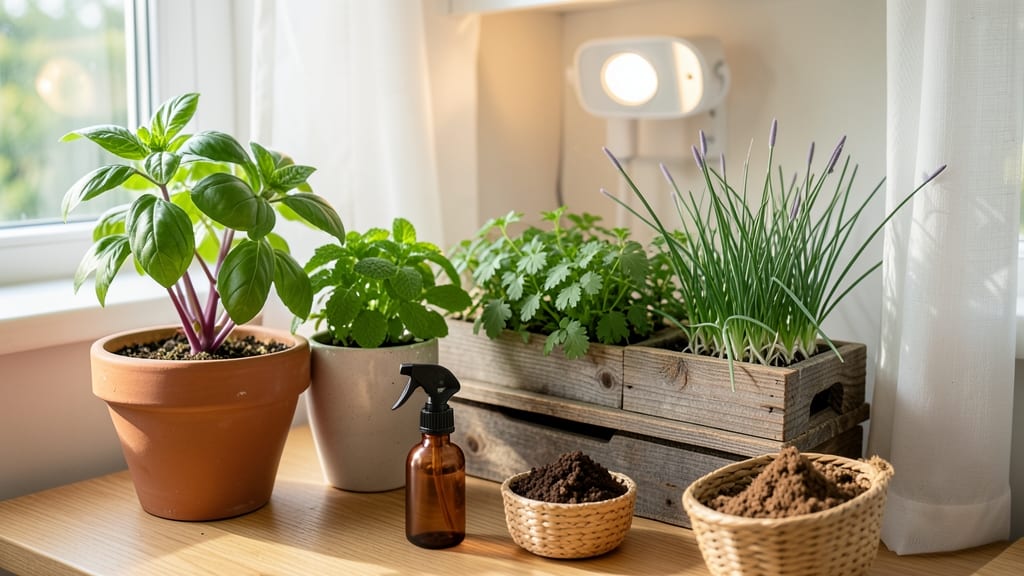
Having a garden in an apartment is easier than you think—with the right plants, containers, and a little creativity, even a sunny windowsill can become a thriving green space 🌱.
Dreaming of fresh herbs, vibrant flowers, or homegrown veggies—but stuck with limited apartment space? You don’t need a backyard to cultivate a thriving garden; creative layouts and smart plant choices can turn even the tiniest balcony or windowsill into a lush oasis.
From vertical planters that hug walls to self-watering systems that save time, there are simple solutions for every square foot. Whether you’re a beginner or a seasoned urban gardener, this guide will show you how to maximize space, light, and growth—no green thumb required.
You’ll discover the best low-maintenance plants for containers, how to stretch sunlight with reflective tricks, and DIY hacks to keep your General Apartment Plants happy year-round. Let’s grow that garden!
Best space-saving garden layouts for small apartments
Transforming a tiny apartment into a thriving garden starts with smart layout choices. Even a 5-foot balcony or sunny windowsill can become a productive green space with the right approach. The key is maximizing vertical space, using modular containers, and selecting compact, high-yield plants.
I’ve tested these layouts in my own New York studio apartment—here’s what works best for urban gardeners.
Vertical gardening is my top recommendation for apartments with limited floor space. By growing plants upward, you free up precious square footage while increasing your plant count. A 6-foot-tall wall can easily accommodate 3-4 tiers of herbs, lettuce, or strawberries, depending on the plant’s mature height. For example, my basil and thyme thrive in a hanging pocket planter system that fits snugly against my kitchen wall.
Another game-changer is tiered shelving units. A 3-shelf unit (like the IKEA Kallax) can hold 12-15 pots in a 4’x2’ footprint—perfect for succulents, peppers, or dwarf tomatoes. Place it near a south-facing window to ensure 6+ hours of sunlight daily.
I rotate my shelves seasonally to give all plants equal access to light, especially during shorter winter days.
Don’t overlook hanging planters—they’re ideal for trailing plants like cherry tomatoes, nasturtiums, or strawberries. A single balcony railing can support 6-8 hanging baskets, each holding 1-2 plants.
My red cherry tomatoes produce 20+ fruits per plant in just 3 months, proving that even small spaces can yield big harvests. Pair them with self-watering globes to reduce maintenance.
For windowsill gardening, prioritize sunlight exposure and container depth. A north-facing windowsill works for low-light plants like mint, parsley, or Swiss chard, while south-facing spots are perfect for sun-lovers such as basil, chili peppers, or herbs.
Use shallow trays (4-6 inches deep) for greens and deeper pots (8+ inches) for root crops like radishes or microgreens. I keep a rolling cart under my windows to easily move plants as sunlight shifts throughout the day.
Here’s how these layouts compare in terms of space efficiency, plant variety, and ease of care—so you can pick the best fit for your apartment:
| Layout Type | Space Needed | Plant Variety | Sunlight Needs | Care Level | Best For |
|---|---|---|---|---|---|
| Vertical Wall Garden | 6 ft tall x 1 ft wide | Herbs, lettuce, strawberries, succulents | Partial to full sun (4-8 hrs) | Moderate (watering 2-3x/week) | Apartment walls, balconies |
| Tiered Shelving | 4 ft x 2 ft footprint | Peppers, tomatoes, dwarf veggies, flowers | Full sun (6+ hrs) | Low (self-watering options) | Sunny rooms, balconies |
| Hanging Planters | Balcony railing or ceiling hook | Trailing plants (tomatoes, strawberries, flowers) | Full sun (6+ hrs) | Easy (drip irrigation helps) | Balconies, patios |
| Windowsill Garden | 12-24 inches of windowsill space | Herbs, greens, microgreens, chili peppers | Bright indirect to partial sun (4-6 hrs) | Low (small pots dry faster) | Kitchens, bathrooms, living rooms |
Pro tip: Combine layouts for maximum efficiency. For example, pair a vertical herb garden on your wall with a tiered shelf below for larger plants like dwarf eggplants or bush beans. I also use stackable fabric grow bags (like Earthbox) to save space while improving drainage. These bags take up half the footprint of traditional pots but grow just as well—perfect for balconies with weight limits.
If your apartment lacks natural light, supplement with grow lights. A full-spectrum LED light (like the Samsung LC20W) hung 12-18 inches above plants can extend your growing season by 2-3 months.
I use mine for winter greens and seedlings, which need 14-16 hours of light daily. Place lights on a timer to automate care and save energy.
Measure twice, plant once—literally! Before setting up your garden, sketch a to-scale layout of your space. Note window sizes, electrical outlets (for lights), and weight-bearing walls (for vertical gardens). My balcony setup includes a foldable table for summer plants and a retractable trellis for vining plants like cucumbers or beans. This flexibility lets me adjust seasonally without clutter.
Remember, small spaces thrive with smart choices. Focus on fast-growing, high-value plants (like herbs, microgreens, or cherry tomatoes) to see results quickly. With the right layout, your apartment garden can be as productive as a backyard—without the space! 🌱
Top low-maintenance plants for apartment gardening
Apartment gardening doesn’t require green thumbs or endless hours—just the right plants and a little space optimization. These hardy varieties thrive in containers with minimal sunlight, water, and care, making them perfect for busy urban dwellers.
Whether you have a sunny windowsill or a shady balcony corner, these picks will keep your garden lush and productive with minimal effort.
I’ve tested these plants in my own 100-square-foot balcony and found they deliver high yields while requiring only 10-15 minutes of care per week. The key is choosing compact varieties that tolerate partial shade and irregular watering.
Below, I’ve curated the best options for herbs, leafy greens, and flowers that won’t overwhelm your schedule or space.
🌱 Did You Know? Some of these plants, like basil and lettuce, can be harvested continuously, meaning you’ll get months of fresh produce from a single container. This makes them incredibly cost-effective and sustainable for small spaces.
| Plant | Sun Needs | Water Needs | Mature Size | Harvest Time |
|---|---|---|---|---|
| Basil | 4-6 hours (partial sun) | Every 2-3 days (keep moist) | 1-2 feet tall | 4-6 weeks |
| Lettuce (Leaf Varieties) | 3-4 hours (shade-tolerant) | Every 3-4 days (keep damp) | 6-12 inches tall | 3-5 weeks |
| Mint | 2-4 hours (shade-friendly) | Every 2-3 days (drought-tolerant) | 1-2 feet tall (spreading) | 6-8 weeks |
| Succulents (e.g., Jade Plant) | 3-4 hours (bright light) | Every 7-10 days (drought-resistant) | 1-2 feet tall | N/A (decorative) |
| Nasturtiums | 4-6 hours (full sun to partial) | Every 3-4 days (moderate) | 1-2 feet tall | 8-10 weeks (flowers) |
| Chives | 3-4 hours (shade-tolerant) | Every 4-5 days (moderate) | 1 foot tall | 6-8 weeks |
For herbs like basil and chives, I recommend using 6-inch pots to keep them contained and make harvesting easier. These plants love well-draining soil and benefit from weekly pinching to encourage bushier growth.
Place them near an east-facing window for gentle morning sun, which is ideal for preventing bolting (when herbs flower too quickly).
If you’re growing leafy greens like lettuce, opt for shallow containers (4-6 inches deep) and keep the soil consistently moist. These plants thrive in cooler temperatures, making them perfect for spring or fall balconies.
I’ve found that self-watering planters work wonders here—just fill the reservoir every 3-4 days and forget about it.
Don’t overlook succulents and nasturtiums for color and texture. Succulents like jade plants need very little water and add a modern touch to any windowsill. Meanwhile, nasturtiums are edible flowers that repel pests naturally—plant them near your herbs to keep bugs at bay with zero effort.
Pro tip: Rotate your containers every 2-3 weeks to ensure all sides of your plants get even sunlight exposure. This simple trick can double your yield and keep your plants lush.
With these low-maintenance picks, you’ll enjoy fresh herbs, crisp greens, and cheerful blooms without the hassle of a traditional garden. Happy planting! 🌿