
How To
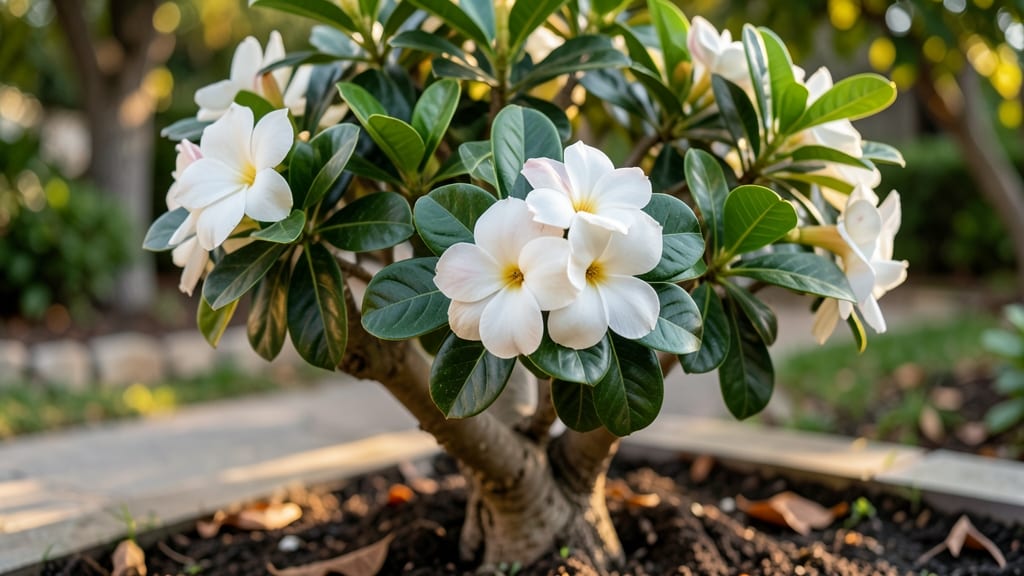
A gardenia tree grows anywhere from 6 to 15 feet tall at maturity, depending on the variety and care you provide—so if you’re eyeing one for your yard, size matters more than you might think.
Picture this: a fragrant 🌸 cloud of white blooms perfuming your patio, but suddenly realizing it’s outgrown its spot by summer. That’s where pruning and variety choice become your secret weapons.
Some gardenias stay compact, while others reach for the sky—knowing the difference saves you from crowded shrubs or sad, overpruned stumps.
Whether you’re working with a dwarf gardenia (staying under 6 feet) or a standard variety (hitting 10–15 feet), the right pruning timing and techniques can keep it at your ideal height.
Below, I’ll break down how to control growth, choose the right spot, and even grow one in a container if space is tight.
You’ll leave here knowing exactly how tall your gardenia should be, how to shape it for your space, and the one pruning mistake that kills blooms faster than anything else.

Gardenia tree height by variety: from dwarf to towering giants
Choosing the right gardenia tree for your space starts with understanding their mature height ranges. Some varieties stay compact enough for container gardening, while others grow tall enough to rival small trees.
The Gardenia jasminoides, the most common type, typically reaches 6 to 15 feet at maturity, but with the right care, you can influence its growth pattern. Climate, soil acidity, and pruning habits all play a role in determining how tall your gardenia will become.
If you’re working with limited space, dwarf varieties like Gardenia radicans or Gardenia augusta are excellent choices, often staying under 4 feet tall. These varieties are perfect for patio gardens or even as indoor plants in bright, indirect light.
Meanwhile, the standard gardenia varieties can grow up to 15 feet, making them ideal for large yards or as privacy screens.
Here’s how different gardenia varieties compare in terms of height, growth rate, and ideal growing conditions to help you make an informed decision:
Climate plays a significant role in how tall your gardenia grows. In warmer climates like USDA Zones 8–11, gardenias thrive and can reach their maximum height more quickly due to longer growing seasons.
However, in cooler climates like Zone 7, growth slows, and gardenias may stay shorter unless given extra care, such as winter protection and acidic soil amendments.
Soil type also affects height. Gardenias prefer well-draining, acidic soil with a pH between 5.0 and 6.5. If your soil is alkaline, the plant may struggle to absorb nutrients, leading to stunted growth.
Amending your soil with peat moss or sulfur can help create the ideal conditions for healthier, taller growth. Additionally, container-grown gardenias often stay smaller because their root systems are restricted, making them perfect for urban gardeners.
If you’re considering a tall gardenia variety like Gardenia jasminoides, plan for its mature size early. These plants can become top-heavy and may need staking or support as they grow.
For smaller spaces, opt for dwarf varieties or practice regular pruning to keep the plant manageable. Pruning not only controls height but also encourages bushier growth and more abundant blooms.
Another factor to consider is the growth rate. Faster-growing varieties like Gardenia thunbergia can add 2–3 feet per year, while slower growers like Gardenia augusta may only gain 3–6 inches annually.
If you’re impatient for blooms, faster-growing types will reward you sooner, but they’ll also require more maintenance to keep them in check.
For container gardening, choose varieties that naturally stay under 4 feet tall, such as Gardenia radicans or Gardenia augusta. These work beautifully in large pots with well-draining soil and regular
Pruning techniques to control gardenia tree height and shape
Pruning your gardenia tree isn’t just about keeping it from towering over your fence—it’s the key to bushier blooms and a healthier plant. When done right, pruning encourages compact growth while maintaining that intoxicating fragrance.
The best time to prune is right after flowering, typically in late spring or early summer, when your gardenia has finished its main bloom cycle but before new growth gets too vigorous.
Start by gathering your tools: sharp, clean pruners (sterilized with rubbing alcohol) and gloves to protect your hands from the plant’s sap, which can irritate skin. Avoid using dull shears—they crush stems and invite disease.
Your goal is to shape the plant while removing no more than 25% of the foliage in a single session to avoid stressing the tree.
⚠️ callout-warning
Cutting too late in the season (after August) can stunt next year’s blooms. Gardenias set flower buds on old wood, so pruning back new growth too aggressively in fall or winter removes potential bloom sites. Always prune after flowering to preserve next season’s fragrance.
🌿 Pro Tip: Mark pruning dates on your calendar to avoid this common error.
To control height, focus on selective pruning of the tallest branches. Cut just above a leaf node (the bump where leaves and branches meet) to encourage new growth from that spot.
For a fuller shape, trim back the outermost branches by about one-third to open up the center and improve airflow, which reduces disease risk. Avoid "topping" (cutting the very top off)—this creates unsightly, sparse growth.
If your gardenia is already too tall, don’t panic. You can gradually reduce its height by pruning 1–2 feet per year until it reaches your desired size.
For example, if it’s 12 feet tall and you want it at 6 feet, plan to prune it back by 3 feet total over two years. Always make cuts at a 45-degree angle just above a leaf node to promote healing and new growth.
For bushier blooms, prioritize pruning older, woody stems back to younger growth. This stimulates the production of new flower buds on the current year’s wood. Avoid removing too many branches at once, as this can shock the plant and reduce its ability to bloom.
Instead, spread pruning efforts over 2–3 sessions throughout the growing season for the best results.
Finally, clean up your workspace after pruning. Remove all clippings and debris from the base of the plant to prevent fungal diseases like powdery mildew, which thrives in damp, organic matter. Water the base thoroughly after pruning to help the tree recover and encourage root growth.
With consistent pruning, your gardenia will stay manageable in size while rewarding you with abundant, fragrant blooms year after year.