
How To
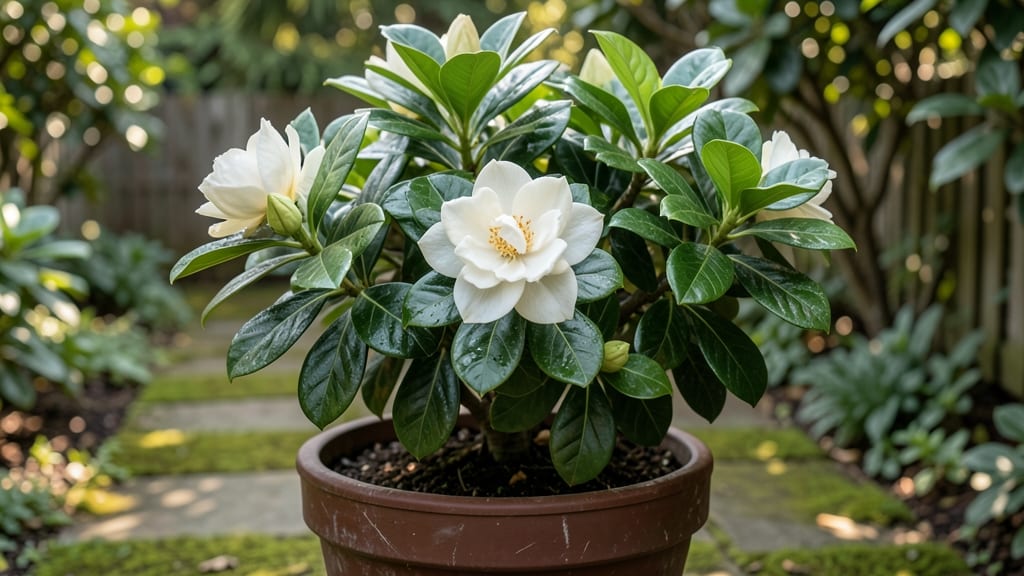
How tall do gardenias grow? They reach heights between 4 and 10 feet, depending on the variety and how you care for them 🌸—some stay low and bushy, while others stretch toward the sky like a small tree.
If you’ve ever dreamed of filling your garden with their heavenly scent but worried about them outgrowing your space, you’re not alone. The good news? With the right pruning and placement, you can keep even the tallest gardenias in check.
Most gardenias hit their mature height in 3 to 5 years, but dwarf varieties stay under 3 feet, making them perfect for containers or small gardens. Meanwhile, standard types can reach 6 feet or taller if left unpruned.
Below, I’ll break down exactly how tall different gardenia varieties grow, how to control their size, and the care tricks that keep them thriving—no matter how much (or little) space you have.

Gardenias height by variety: compact vs. tall-structured types
Choosing a gardenia variety starts with understanding their mature heights, which can range from compact shrubs under 3 feet to tall specimens reaching 10 feet. Your garden space, sunlight access, and pruning goals all play a role in selecting the right type.
For example, dwarf varieties thrive in containers or small gardens, while tall gardenias make stunning focal points in landscapes.
Most gardenia varieties fall into three height categories: dwarf (2–3 ft), medium (3–6 ft), and tall (6–10+ ft). The key to maximizing their potential lies in matching the variety to your climate, soil, and care routine.
In warmer zones (USDA 8–10), gardenias grow faster and taller, while cooler climates may stunt their growth unless protected.
| Variety | Mature Height | Growth Rate | Best For |
|---|---|---|---|
| Radicans (Clem's Pick) | 2–3 ft | Slow to moderate | Containers, small gardens |
| Fortuniana (Capitata) | 3–5 ft | Moderate | Foundation plantings, borders |
| Augusta (Kleim’s Hardy) | 4–6 ft | Moderate to fast | Privacy screens, hedges |
| Jasminoides (Common Gardenia) | 6–10 ft | Fast | Tropical landscapes, large yards |
| Veitchii (Veitch’s Gardenia) | 8–12 ft | Fast | Specimen trees, shaded areas |
If you’re working with limited space, Radicans or Fortuniana are ideal choices, staying under 5 feet while still producing fragrant blooms. These varieties also adapt well to container gardening, making them perfect for patios or balconies.
Just ensure your pot has drainage holes and use a well-draining potting mix to prevent root rot.
For larger gardens, Augusta and Jasminoides offer dramatic height and lush foliage. These varieties benefit from regular pruning to maintain shape and encourage blooming. Prune in late winter or early spring before new growth begins, removing dead or overcrowded branches first. Always use sterilized shears to avoid disease spread.
Tall gardenias like Veitchii require more space and support. In windy areas, stake young plants to prevent toppling. Mulch around the base with 3–4 inches of organic mulch (like pine bark) to retain moisture and suppress weeds.
This is especially important for taller varieties, which have deeper root systems and need consistent hydration.
Light exposure directly impacts height. Most gardenias thrive in partial shade (4–6 hours of sunlight daily), but tall varieties like Jasminoides can tolerate more sun if given afternoon shade in hot climates.
Too much direct sun can scorch leaves and stunt growth, while too little light reduces flowering. Test your garden’s sunlight with a sunlight map before planting.
Soil pH is another critical factor. Gardenias prefer acidic soil (pH 5.0–6.5). If your soil is alkaline, amend it with peat moss or sulfur before planting. Conduct a soil test using a home testing kit—it’s a small investment that ensures your gardenia thrives.
Over time, regular feeding with acidic fertilizer (like a 10-10-10 blend) keeps the soil optimal for growth.
In cooler climates (USDA zones 7–8), gardenias may grow slower and stay shorter unless protected. Use frost cloth in winter and mulch heavily to insulate roots. Even dwarf varieties benefit from winter care, as cold snaps can damage tender new growth.
If you’re in a zone below 7, consider growing gardenias in large containers that can be moved indoors during winter.
Pro tip: Prune for height control by cutting back 1/3 of the oldest stems each year. This encourages bushier growth and prevents legginess. For tall gardenias, focus on structural pruning—removing branches that rub together or grow inward. Always prune just above a leaf node to promote healthy regrowth.
How gardenia height affects care and pruning needs
Your gardenia’s mature height isn’t just about aesthetics—it directly impacts how you care for it. A tall gardenia (4–6 ft) needs different watering, sunlight, and pruning than a dwarf variety (2–3 ft).
Taller types may require stakes or trellises to support their weight, while compact ones thrive in containers. Understanding these differences ensures your gardenia stays healthy and fits your space perfectly.
For example, a 6-foot gardenia in your backyard will need more frequent deep watering to reach its roots, while a 2-foot dwarf gardenia in a pot may dry out faster.
The same goes for sunlight: taller gardenias can handle partial shade with morning sun, but dwarf varieties often prefer bright indirect light to prevent legginess. Adjusting your care routine based on height keeps your plant thriving.
Taller gardenias (4–6 ft) need support stakes and deep watering (1–2 gallons per week). Dwarf varieties (2–3 ft) thrive in containers with frequent misting to keep foliage lush. Always prune after flowering to avoid stunting growth.
Pruning needs also shift with height. A tall gardenia benefits from structural pruning to remove dead branches and shape its form, while dwarf gardenias only need light trimming to encourage bushiness. I recommend using sterilized shears and pruning in late winter or early spring to avoid damaging blooms.
For taller varieties, focus on removing lower branches to improve airflow and reduce fungal risks.
Support structures become critical for gardenias over 4 feet tall. Use bamboo stakes or wire cages to prevent toppling, especially in windy areas. For container-grown dwarf gardenias, ensure pots have drainage holes and are 12–18 inches wide to accommodate root growth.
If your gardenia leans, gently tie it to a stake with soft plant ties to avoid damaging the stems.
Sunlight adjustments are key too. Tall gardenias can tolerate 4–6 hours of filtered sun daily, but dwarf varieties may scorch in direct afternoon sun. If your gardenia is in a container, move it to a shadier spot in summer to prevent leaf burn.
Monitor leaf color: yellowing leaves often signal too much sun, while pale green foliage may mean it needs more light.
Finally, fertilizing differs by height. Tall gardenias need balanced fertilizer (10-10-10) every 6–8 weeks during growing season, while dwarf varieties benefit from half-strength feedings every 4–6 weeks to avoid overgrowth. Always water before fertilizing to prevent root burn. With these height-specific adjustments, your gardenia will bloom beautifully year after year!