
Watering
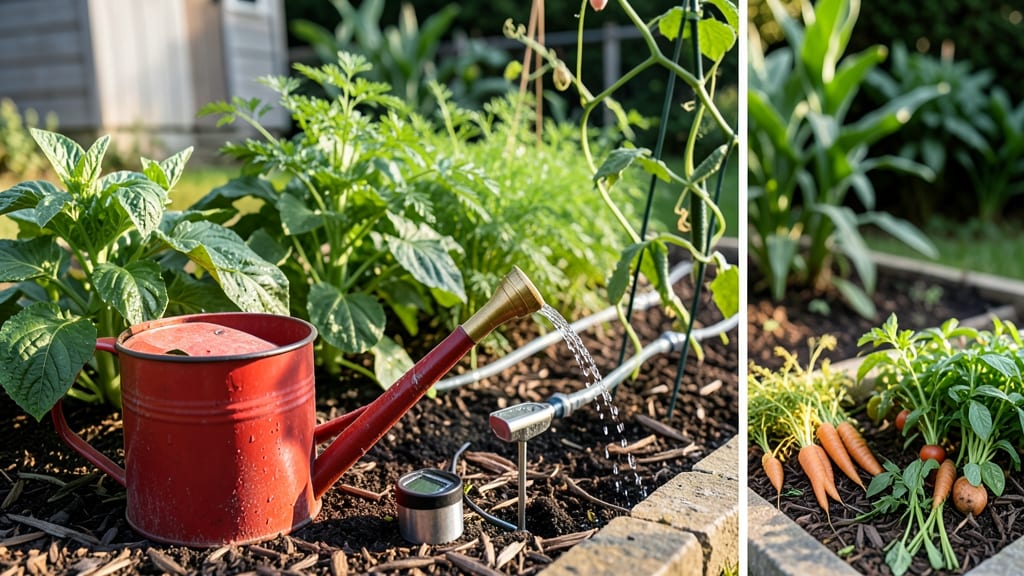
Watering your vegetable garden the right way—how often, how deep, and when—is the difference between thriving 🥬 plants and wasted effort.
Overwatering or underwatering your vegetable garden can mean the difference between a bountiful harvest and wilted disappointment—so how do you know when to water?
Most gardeners guess, but the secret to perfect hydration lies in checking soil moisture before you reach for the hose. A simple finger test tells you whether your plants are thirsty or drowning.
In this guide, I’ll break down the soil check method, adjust watering for different crops, and show you how to spot the signs of over- or under-watering before it’s too late.
The soil check method: how to determine when your veg garden needs water
Watering your vegetable garden can feel like a guessing game—too much and you risk root rot, too little and your plants wilt. The soil check method removes the guesswork by teaching you to read your garden's thirst signals.
This simple technique helps you water efficiently while keeping your leafy greens, tomatoes, and root vegetables thriving. Whether you're a beginner or seasoned gardener, mastering this method will save you time and water.
Most gardeners make the mistake of watering on a fixed schedule without checking soil moisture. But factors like climate, soil type, and plant maturity change how often your veggies need hydration. For example, sandy soil dries out faster than clay, and peppers need less water than lettuce.
The soil check method adapts to these variables, ensuring your plants get just the right amount of water.
Start by understanding the three key signs your soil gives you: texture, color, and moisture level. When you press your finger into the soil, it should feel slightly damp but not soggy. If it crumbles easily, it’s time to water.
Visual cues like dry soil cracks or wilting leaves also signal thirst. By paying attention to these clues, you’ll learn to water intuitively and avoid common mistakes like overwatering.
Step-by-Step Soil Check Method
- Step 1: Choose a representative spot in your garden—avoid areas near mulch or drip lines.
- Step 2: Use your index finger to dig 1-2 inches deep into the soil. This is where most plant roots absorb water.
- Step 3: Check the moisture level. If it feels dry or crumbly, water immediately. If it’s damp but not soggy, wait 1-2 days.
- Step 4: Look for visual cues: dry soil cracks, wilting leaves, or a grayish-brown color near the surface.
- Step 5: Water deeply (1-2 inches per week) in the early morning to reduce evaporation and fungal risks.
- Step 6: Repeat the check every 2-3 days during hot weather or once a week in cooler months.
For a more precise approach, invest in a soil moisture meter, which measures moisture levels digitally. These tools are especially useful in container gardens or for water-sensitive plants like carrots or radishes.
Place the meter’s probes near the plant’s root zone (about 2 inches deep) and follow the manufacturer’s guidelines for readings. While they cost a little upfront, they’ll pay off in water savings and healthier plants.
Another helpful tool is a trowel or small shovel. Dig a shallow hole (about 2 inches deep) and examine the soil’s texture. If it’s dry and powdery, your plants need water. If it’s sticky or clumps together, you’re overwatering.
This method works well for large vegetable gardens where checking every plant isn’t practical. It also helps you identify drainage issues—if water pools in the hole, your soil may need amendments like compost or perlite.
Don’t forget to adjust your watering based on the time of year. In summer, your garden may need watering every 1-2 days, while winter might only require watering once a week.
Pay attention to weather forecasts too—after a heavy rain, skip your usual watering routine and check the soil again. This flexibility ensures your vegetable plants stay hydrated without wasting resources.
One common mistake is watering based on a routine schedule rather than the soil’s actual needs. For example, watering at the same time every day, regardless of rain or temperature, can lead to overwatering or underwatering.
Instead, use the soil check method to customize your approach. If your tomato plants are drooping midday, check the soil immediately—it might need water even if it’s not your usual watering day.
Pro tip: Keep a gardening journal to track soil moisture patterns. Note when you water, how much, and the weather conditions. Over time, you’ll spot trends, like which plants dry out fastest or how often you need to water during heatwaves.
This record-keeping turns the soil check method into a personalized watering system tailored to your garden’s unique needs.
By mastering the soil check method, you’ll not only save water but also boost plant health and increase yields. Your vegetables will thank you with vibrant leaves, sweet fruits, and robust roots.
Plus, you’ll spend less time guessing and more time enjoying your thriving garden. Happy growing!
Watering frequency by plant type: a guide to keeping your veg garden thriving
Not all vegetables thirst the same way—some like it deep and infrequent, while others prefer light and frequent sips. Understanding your plants' needs prevents stress and maximizes harvests. Leafy greens and herbs often need more frequent watering, while root crops and tomatoes prefer deeper, less frequent soaks.
Climate and soil type also play huge roles, so let's break it down by category.
Your local climate and soil type (sandy, clay, loamy) dramatically affect watering needs. For example, sandy soil drains quickly, requiring more frequent watering, while clay soil holds moisture longer.
In hot, dry climates, most vegetables need water every 1-2 days, whereas cooler, humid regions may only require watering every 5-7 days. Always adjust based on your soil check—if the top 1-2 inches feel dry, it's time to water.
| Plant Type | Watering Frequency | Notes |
|---|---|---|
| Leafy Greens (Lettuce, Spinach, Kale) | Every 1-3 days (light, frequent) | Keep soil moist; avoid soggy roots |
| Root Crops (Carrots, Radishes, Potatoes) | Every 3-5 days (deep watering) | Consistent moisture prevents cracking |
| Fruiting Plants (Tomatoes, Peppers, Cucumbers) | Every 2-4 days (deep soak) | Avoid wetting foliage to reduce disease |
| Herbs (Basil, Cilantro, Parsley) | Every 2-3 days (keep soil damp) | Drought stress causes bolting |
| Corn & Heavy Feeders (Peas, Beans) | Every 2-3 days (1-2 inches/week) | Mulch retains moisture for deep roots |
Leafy greens like lettuce and spinach need consistent moisture—let the top ½ inch of soil dry between waterings. Overwatering causes yellowing leaves, while underwatering leads to bitter, bolted greens. For root crops like carrots and radishes, deep watering every 3-5 days prevents cracking and forked roots. Always water at the base, not overhead, to keep roots happy.
Fruiting plants such as tomatoes and peppers thrive with deep, infrequent watering—aim for 1-2 inches per week. Shallow watering stresses plants and reduces fruit set. Herbs like basil and cilantro prefer even moisture but hate soggy soil. If you see wilting leaves, it’s often a sign of underwatering, but yellowing leaves may indicate overwatering or poor drainage. Always pair watering with a mulch layer to lock in moisture.
Adjust your schedule based on weather patterns. During heatwaves, increase frequency to daily deep watering, while rainy seasons may require skipping watering entirely. Pay attention to plant signals: Drooping leaves usually mean thirst, while mushy stems scream overwatering.
With this plant-by-plant approach, your veg garden will stay lush, productive, and stress-free all season long.