
Watering
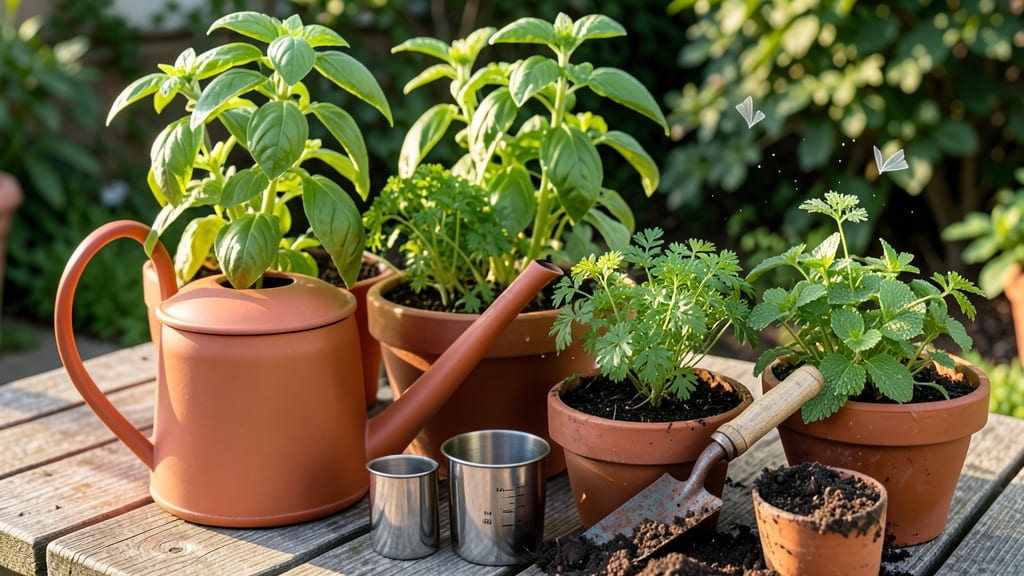
A garden needs 1 to 2 inches of water per week to thrive, but how you deliver it makes all the difference between a vibrant harvest and a sad, wilted mess.
Overwatering or underwatering your garden can mean the difference between lush, thriving plants and wilting disappointment—so how do you strike the perfect balance? The answer isn’t just about how much you water but when, how, and where you pour it.
Soil type plays a huge role: clay holds onto water like a sponge, sandy soil drains faster than a sieve, and loamy soil—well, that’s the Goldilocks zone. Then there are your plants—tomatoes scream for hydration, while succulents would rather go thirsty than drown.
In this guide, I’ll break down soil-based watering schedules, plant-specific needs, and the sneaky signs your garden is either begging for a drink or drowning in pity. Ready to get it right?
Watering requirements by soil type: clay, sandy, and loamy soil explained
Understanding your soil type is the first step to mastering your garden's watering schedule. Each soil type—clay, sandy, and loamy—holds and drains water differently, directly impacting root health and plant growth.
Let’s break down how to tailor your watering routine to match your soil’s unique traits.
Clay soil, with its tiny particles, clings to water like a sponge, often leading to root rot if overwatered. Sandy soil, on the other hand, drains so quickly that plants struggle to absorb enough moisture. Loamy soil strikes the perfect balance, retaining just enough water while allowing roots to breathe.
Knowing your soil type helps you avoid common pitfalls like overwatering or underwatering, both of which can stunt plant growth.
Here’s how to identify your soil type: Grab a handful of damp soil and squeeze it. If it forms a tight ball that cracks when dropped (clay), feels gritty and falls apart (sandy), or holds its shape loosely (loamy), you’ve got your answer.
Once you know your soil, you can adjust your watering strategy to keep your garden thriving.
For clay soil, the key is to water deeply but infrequently. Instead of light sprinkles, aim for a slow, deep soak every 3-5 days to encourage roots to grow deeper. Adding compost or organic matter improves drainage and prevents waterlogging.
If your clay soil feels compacted, consider aerating it with a garden fork to help roots access oxygen and water more easily.
Gardens with sandy soil require a different approach: frequent, shallow watering. Since water drains almost instantly, you’ll need to water every 1-2 days, often more during hot summers. Mulching with straw or wood chips helps retain moisture near the soil surface.
For container plants in sandy soil, check moisture daily—containers dry out even faster than in-ground beds.
If you’re lucky enough to have loamy soil, congratulations! This soil type is the gold standard for gardening because it balances water retention and drainage perfectly. Watering every 2-4 days with 1.5-2 inches of water per session usually suffices.
Loamy soil also warms up faster in spring, giving you a head start on planting. To maintain its ideal structure, top-dress with a thin layer of compost annually.
Seasonal changes also affect your watering routine. During summer heat, all soil types will need more frequent watering, while winter rains may reduce the need for irrigation.
Pay attention to your plants’ leaves and stems: wilting or yellowing can signal underwatering, while mold or mushy stems may indicate overwatering. Adjust your schedule based on these visual cues rather than sticking rigidly to a calendar.
One common mistake is assuming that all plants need the same amount of water. Vegetables like tomatoes and peppers thrive with consistent moisture, while succulents and lavender prefer dry conditions. Always match your watering habits to the specific needs of your plants and their soil environment.
With the right approach, you’ll create an optimal growing condition for every type of plant in your garden.
Remember, the goal is to keep the soil moist but not soggy. Use your finger to check moisture levels: if the top 1-2 inches of soil feel dry, it’s time to water.
By tailoring your watering schedule to your soil type, you’ll promote healthier roots, stronger plants, and a more productive garden all season long.
🌱
How to adjust watering for different plant types: vegetables, flowers, and trees
Not all plants drink the same way—your tomatoes and peppers need deep, frequent sips, while lavender and succulents thrive on neglect. Even deep-rooted trees have different hydration needs than your delicate annual flowers. The key? Tailoring your watering schedule to match each plant’s natural rhythm and seasonal demands.
Summer demands daily or bi-daily watering for thirsty crops, but winter slows things down to bi-weekly or monthly checks. Let’s break down how to water like a pro for your garden’s diverse residents, so you’re not drowning one side while starving the other.
- 💧 Vegetables (Tomatoes, Peppers, Cucumbers): 1-2 inches per week (deep watering 2-3x/week in summer)
- 🌿 Flowers (Lavender, Succulents, Roses): 0.5-1 inch per week (drought-tolerant types need less)
- 🌳 Trees (Fruit, Oak, Maple): Deep soak 1-2x/month (focus on root zone, not leaves)
- ☀️ Seasonal Adjustments: Summer = increase by 50%, Winter = reduce by 75%
- 🌱 Containers vs. Ground: Containers dry faster—check soil daily in summer
Start with vegetables, which are often the most demanding. Tomatoes and peppers need consistent moisture to prevent blossom-end rot, so aim for 1-2 inches of water per week.
Use a drip irrigation system or soaker hose to deliver water directly to the roots, keeping leaves dry to avoid fungal diseases like early blight.
For flowers, it’s all about moderation. Lavender and succulents despise soggy soil—water them only when the top 1-2 inches feel bone-dry. Roses, on the other hand, love a steady drink but hate wet feet, so mulch around their base to retain moisture without suffocating the roots.
In summer, increase watering for annuals like petunias to every other day, but taper off in fall.
Don’t forget your trees! Young trees need deep, infrequent watering to encourage strong root growth. Water once a week in summer, soaking the soil to a depth of 12-18 inches.
Mature trees are more drought-resistant but still benefit from monthly deep watering during dry spells. Always water at the drip line, not the trunk, to avoid fungal issues.
Pro tip: Morning watering is best for most plants—it reduces evaporation and gives foliage time to dry before evening. Avoid watering at night, as damp leaves invite pests and diseases.
And always check the soil moisture with your finger before watering; if the top inch is dry, it’s time to hydrate.
With these adjustments, your garden will thrive year-round—no more guesswork, just happy, hydrated plants. Happy gardening! 🌱