
Blooming
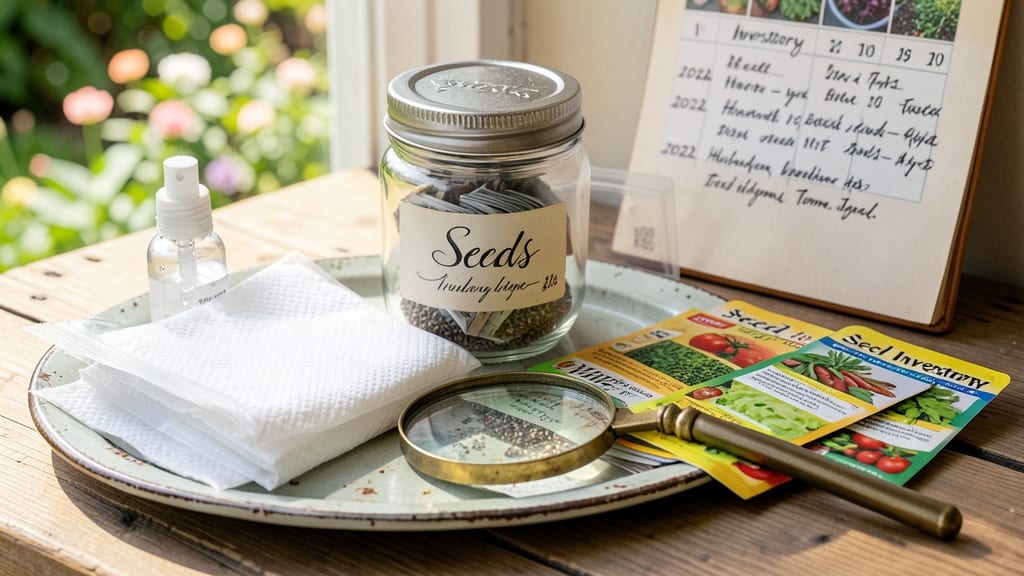
To determine how long are garden seeds good for, know that most remain usable for 1 to 5 years depending on the type—vegetables like beans last 2-3 years, while flowers or herbs typically drop to 1-2 years. Storing them in a cool, dry environment preserves their potency significantly.
Seed viability depends on more than just time—it's about how you protect them from environmental damage. 🔥 The key factors are moisture, temperature, and oxygen exposure, which break down the seed's protective coatings and degrade enzymes needed for germination.
For example, tomato seeds often lose viability faster than carrot seeds because their outer layers are thinner. I've seen heirloom seeds last up to 10 years when stored properly in airtight containers with silica gel packets, but most commercial seeds follow the 1-5 year guideline.
What many gardeners don't realize is that even "old" seeds can sometimes sprout if stored correctly. The paper towel germination test is my go-to method for checking viability before planting—it gives you a quick answer without wasting garden space.
Just place a few seeds between damp paper towels in a sealed bag for 3-5 days, and count how many sprout. If more than 50% germinate, they're likely still good for planting.
💡 In This Article
- Seed Viability Factors: Germination Rates Over Time
- Optimal Seed Storage Conditions to Maximize Longevity
Seed viability factors: germination rates over time
The lifespan of garden seeds hinges on their biological makeup and environmental exposure. Inside each seed lies an embryo surrounded by a protective outer layer. Over time, moisture and oxygen trigger enzymatic reactions that break down these protective structures, while high temperatures accelerate cellular damage.
For instance, bean seeds—known for their thick seed coats—typically maintain viability for 2-3 years, while delicate flower seeds like marigolds degrade faster, often losing potency within 1-2 years. 🔥
Seed coatings play a crucial role too. Many commercial seeds are treated with fungicides or polymer films that slow moisture absorption, extending shelf life by up to 30-50%. However, untreated heirloom seeds rely entirely on their natural defenses, making them more vulnerable.
The degradation process isn't linear—seeds often retain 80% germination rates for the first half of their lifespan, then drop sharply. For example, a 5-year-old tomato seed might still sprout at 60% efficiency, but a 7-year-old seed could plummet to 20% or less.
Light exposure also matters. Seeds stored in opaque containers or dark drawers maintain higher viability than those kept in clear bags, where UV rays degrade essential oils and pigments. Even the seed's natural dormancy mechanisms—like those in lettuce seeds—can weaken over time, making them less responsive to planting conditions.
This is why I always recommend testing old seeds before committing to an entire garden plot.
Temperature fluctuations are the silent killer. Each 10°F increase above 40°F can halve a seed's shelf life. That's why basement storage (around 35-40°F) is ideal, while attics or garages—where temps swing wildly—can reduce viability by 50% or more.
Even short-term exposure to heat during summer months accelerates the breakdown of proteins needed for germination.
Humidity is equally critical. Seeds absorb moisture through tiny pores in their outer layers, triggering premature metabolic activity that exhausts their energy reserves. At 30-40% humidity, seeds remain stable, but levels above 50% can cause mold growth within weeks.
That's why silica gel packets or rice in sealed containers work so well—they absorb excess moisture without harming the seeds.
Consider these viability benchmarks for common seeds:
- Vegetables: Beans (3-4 years), Carrots (2-3 years), Tomatoes (2-4 years)
- Herbs: Basil (1 year), Cilantro (1-2 years), Dill (2 years)
- Flowers: Marigolds (1-2 years), Sunflowers (2-3 years), Zinnias (1 year)
The takeaway? While time is the enemy, proper storage transforms seeds from fragile biological materials into long-term assets. Even 10-year-old seeds have been known to sprout under perfect conditions—though the odds decrease dramatically after 5 years. 💫