
Tools
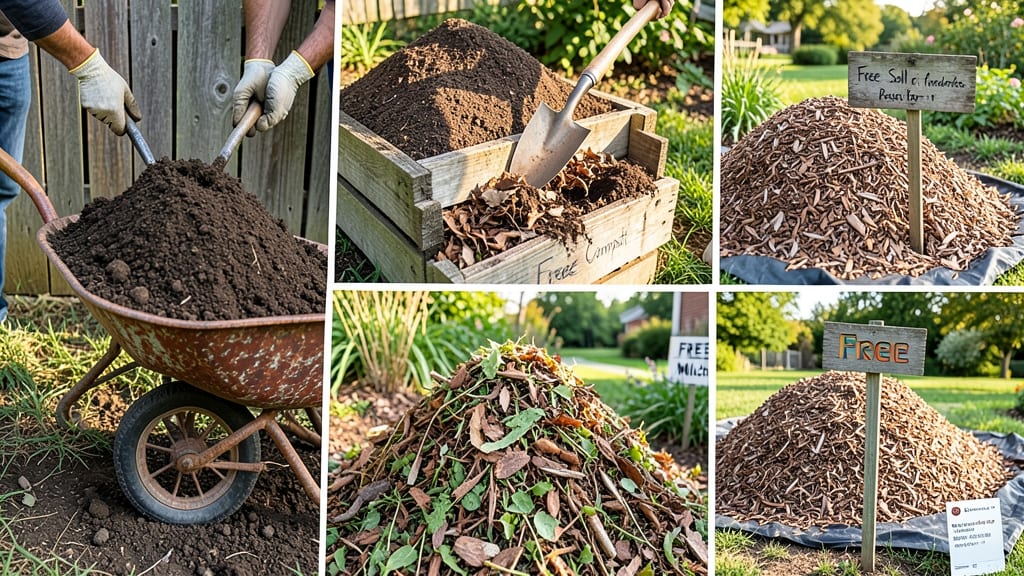
To get free soil for your garden, check local construction sites for discarded topsoil, ask neighbors for yard waste compost, or visit community gardens for shared soil donations. Always verify legality and avoid contaminated sources.
Many people assume they need to buy bags of soil, but there are actually plenty of ethical and legal ways to get it for free. 🌱 Construction sites often have piles of clean topsoil they're happy to give away, while neighbors with compost piles may share their nutrient-rich mix.
Community gardens frequently have soil-sharing programs where experienced gardeners donate excess soil to newcomers. The key is always to ask permission and inspect the soil for contaminants before using it.
Before taking soil from any source, I recommend testing it for pH and contaminants. A simple at-home test kit can reveal whether it's suitable for your plants.
For example, construction soil might be perfect for filling raised beds, while compost from neighbors could be ideal for enriching your existing garden soil. Always wear gloves and a mask when handling unknown soil to protect your health.
💡 In This Article
- Legal and Safe Ways to Source Free Garden Soil
- Best Local Places to Find Free Soil for Gardening
Legal and safe ways to source free garden soil
Construction sites are one of the most reliable sources for free soil because they often remove and discard topsoil during excavation. This soil is typically clean and nutrient-rich, as it hasn't been treated with chemicals.
However, always confirm with the site manager that the soil hasn't been contaminated by construction materials or treated with herbicides. 🌱 Many contractors are happy to give it away to avoid disposal fees, so simply ask if you can take some for gardening purposes.
Municipal programs, like city compost drop-offs or community garden initiatives, provide another legal and safe option. These programs often have strict guidelines to ensure the soil is free from pathogens and heavy metals.
For example, some cities collect yard waste and compost it in certified facilities, then distribute it to residents for a small fee or even free. Always check with your local waste management department to see what resources they offer.
Neighborhood yard waste, such as grass clippings or leaf mulch, can also be a great source of free soil amendments. However, avoid soil that has been treated with pesticides or herbicides, as these chemicals can harm your plants.
A simple way to test for contamination is to look for discoloration or unusual odors—fresh, earthy smells indicate healthy soil. If you're unsure, ask your neighbor about their gardening practices before taking any soil.
Ethical considerations are just as important as legality. Always ask permission before taking soil from private property, and consider offering something in return, like helping with yard work or sharing your own garden produce.
This builds goodwill and ensures you'll have a reliable source in the future. Some community gardens even have soil-sharing agreements where members trade nutrients and expertise to keep their plots thriving.
Another key factor is the type of soil you need. For example, sandy soil from a construction site might be perfect for filling raised beds, while compost-rich soil from a neighbor’s garden could be ideal for enriching your existing plot.
Understanding your garden’s needs will help you choose the right source and avoid potential issues like poor drainage or nutrient deficiencies.
Finally, always wear gloves and a mask when handling unknown soil to protect yourself from potential contaminants. Even "clean" soil can harbor bacteria or fungi that might cause skin irritation or respiratory issues.
Taking these precautions ensures you stay safe while enjoying the benefits of free, high-quality soil for your garden. ✨