
Tools
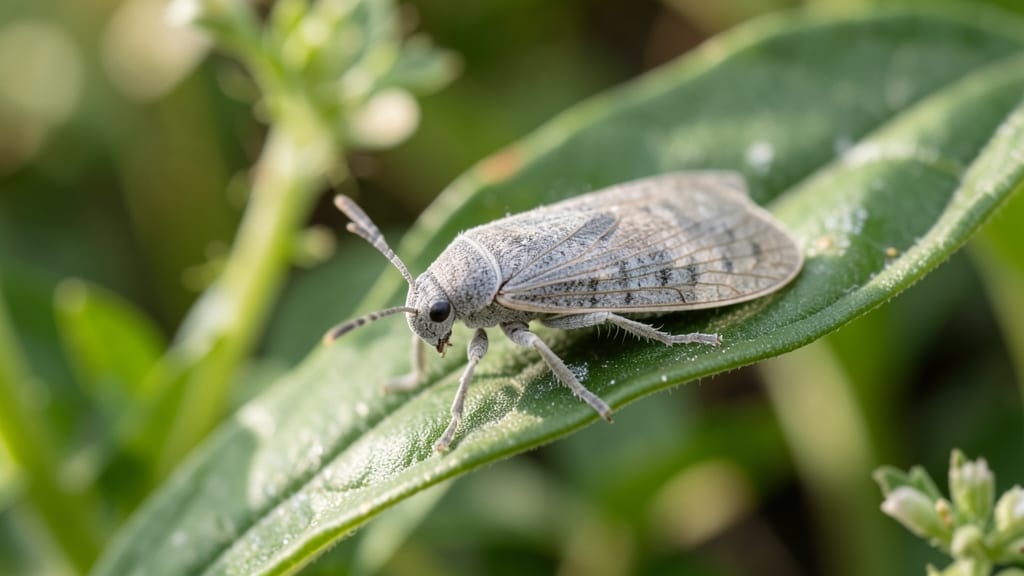
Gray bugs in your garden 🐜 can turn lush green leaves into sticky, skeletonized messes faster than you think—and the worst part? Many gardeners mistake them for harmless critters until it’s too late.
Picture this: You’re pruning your roses, and suddenly, you spot tiny gray specks clinging to the undersides of leaves. Before you know it, your plants look like they’ve been through a war.
The good news? Identifying these pests early gives you a real shot at saving your garden before the damage spreads.
From mealybugs to scale insects, these gray invaders thrive in hidden spots, sucking the life out of your plants while you’re none the wiser.
But don’t panic—this guide breaks down how to spot them, what they’re really doing to your garden, and the fastest ways to kick them out for good.
You’ll learn natural remedies that work in minutes, chemical options for stubborn cases, and simple tricks to keep your garden pest-free long after the last gray bug is gone. Let’s get started.
Most common gray garden bugs and how to spot them
Gray bugs in your garden aren’t just an eyesore—they can weaken plants, spread diseases, and even kill your favorite blooms if left unchecked. The key to fast eradication is accurate identification, which starts with understanding their physical traits, preferred host plants, and lifecycle stages.
Many gardeners confuse these pests, delaying treatment until the damage is done. Let’s break down the 5 most common gray garden bugs and how to spot them before they take over.
First, grab a magnifying glass and inspect both the top and underside of leaves, as well as stems and buds. Gray bugs often hide in cracks, crevices, or curled leaves to avoid predators and harsh conditions.
Pay attention to sticky residue (honeydew) or sooty mold growth, which are classic signs of these pests. Early detection can save your garden from a full-blown infestation, so don’t wait until you see visible damage.
Here’s a quick comparison of the most destructive gray bugs you’re likely to encounter, including their size, shape, and favorite plants. Use this guide to narrow down your suspect before diving into treatment options.
Now that you’ve identified your gray garden culprit, let’s focus on aphids, one of the most common offenders. These tiny, soft-bodied insects cluster on new growth and undersides of leaves, sucking sap that leaves behind a sticky honeydew. Check for ant trails too—ants
Natural and chemical solutions to eliminate gray bug infestations
Once you've identified those sneaky gray bugs wreaking havoc on your garden, the next step is elimination. The good news? You have multiple effective options, from gentle natural remedies to targeted chemical solutions for severe cases. The key is choosing the right approach based on infestation severity and plant sensitivity.
For most gardeners, starting with organic methods is the safest bet. These solutions protect beneficial insects while effectively targeting pests. I've found that combining neem oil with regular monitoring often resolves mild infestations within 1-2 weeks without harming your plants or ecosystem.
My go-to organic spray is neem oil mixed with water and a drop of dish soap. This combination disrupts the gray bug lifecycle while being safe for most plants.
For stubborn pests like mealybugs, I recommend applying the solution directly to affected areas using a spray bottle with a fine mist nozzle for precise targeting.
When dealing with severe infestations, especially on high-value plants, chemical options become necessary. Pyrethrin-based sprays derived from chrysanthemums offer fast knockdown, while systemic insecticides like imidacloprid provide long-term protection when applied to soil. Always follow label instructions carefully, as overuse can harm beneficial insects and create resistance.
For DIY solutions, I've had great success with a homemade garlic spray. Blend 2 cloves of garlic with 1 quart of water, strain, and add a teaspoon of castile soap.
Spray this mixture on affected plants every 3-4 days until the bugs disappear. The strong odor repels pests while being completely plant-safe when used properly.
Remember that consistency is key. Most natural remedies require 2-3 applications spaced 5-7 days apart to fully eliminate gray bugs and their eggs. Combine your chosen treatment with regular garden maintenance—like removing infested leaves and debris—to create an environment where pests can't thrive.
Always test any new treatment on a small area first, especially on sensitive plants. Your garden's health depends on finding the right balance between effectiveness and plant safety. With the right approach, you'll have those gray bugs under control in no time! 🌿