
Light Requirements
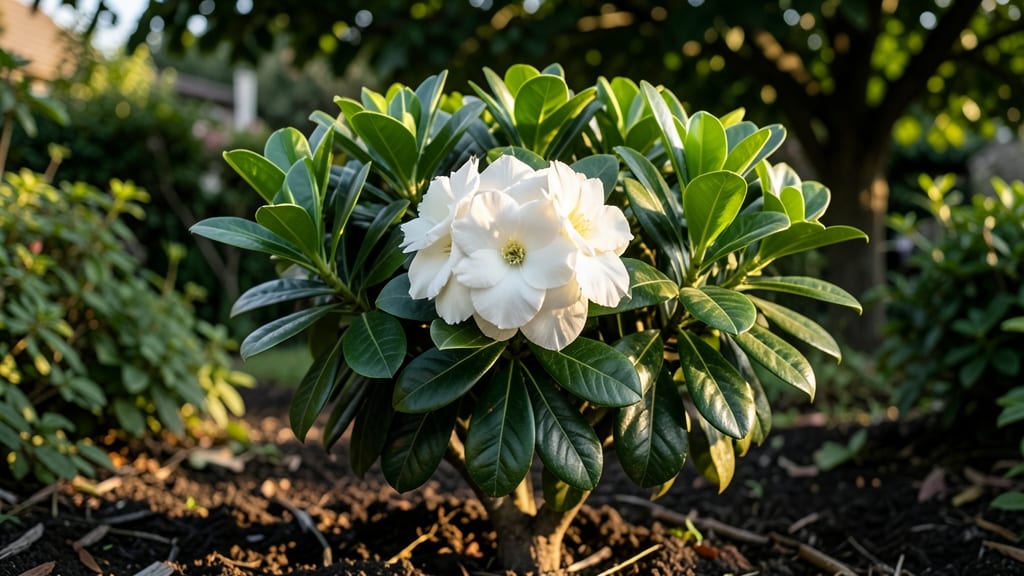
Gardenias thrive when you meet their gardenia sunlight requirements: 4–6 hours of filtered sunlight daily—the sweet spot between scorching rays and dim neglect that keeps their 🌸 blooms lush and fragrant.
Struggling to keep your gardenia blooming? The secret often lies in sunlight—too much scorches leaves, while too little stunts growth. Discover the exact sunlight balance gardenias crave to flourish year after year.
Most gardeners assume these tropical beauties love full sun, but that’s a recipe for crispy edges and sparse flowers. Instead, think of them as sunbathers with SPF on: bright but indirect light, like a dappled forest floor or an east-facing window.
Below, I’ll break down how to spot sunlight stress in your plant, tweak placement for your climate, and keep those 🌸 blooms coming—without turning your gardenia into a crispy mess.

How many hours of sunlight do gardenias need daily?
Gardenias are finicky about sunlight—too much burns their delicate leaves, while too little means sparse blooms. The sweet-smelling shrubs thrive with 4-6 hours of filtered light daily, making them perfect for east-facing windows or dappled shade spots in your garden.
Unlike sun-loving roses, gardenias despise harsh afternoon rays, which is why morning sun paired with afternoon shade is ideal.
Think of gardenias like a tea lover—they prefer gentle warmth over scorching heat. Direct sun for more than 2 hours can cause leaf scorch, turning edges crispy brown.
Meanwhile, deep shade (less than 4 hours) weakens stems and reduces flowering. Finding that sweet spot is key to keeping your gardenia lush and blooming.
To measure sunlight accurately, use a simple sunlight tracker: Place a white card near your gardenia for a week and mark shaded vs. sunny hours. Aim for bright but diffused light, like under a sheer curtain or beneath high tree branches.
If your gardenia gets more than 6 hours of direct sun, move it to a shadier location immediately to prevent damage.
⚠️ CRITICAL WARNING: Gardenias are not drought-tolerant, so even with perfect light, they need consistent moisture. Pair their 4-6 hours of filtered light with well-draining, acidic soil (pH 4.5–6.0) to avoid root stress. Without both, your plant will struggle regardless of sunlight.
Seasonal sunlight shifts can trick gardenias into thinking it’s time to bloom or rest. In summer, when the sun is harshest, gardenias may need only 4 hours of morning light and afternoon shade.
Use a light meter app or observe leaf color: if new growth is pale or leggy, they’re stretching for more light. Conversely, in winter, gardenias can handle 3-4 hours of weak sunlight since days are shorter.
If you’re growing gardenias in containers, rotate the pot weekly to ensure even light exposure—this prevents lopsided growth toward the sun. For in-ground plants, prune nearby trees or shrubs to maintain consistent dappled shade.
A lattice screen painted white can also diffuse harsh rays while keeping humidity high, which gardenias love.
Pro tip: Mulch around gardenias with organic matter (like pine bark) to regulate soil temperature. Cool roots handle sunlight stress better, and mulch also retains moisture—critical since gardenias wilt quickly when thirsty. Pair this with morning watering (1-2 gallons per plant) to mimic their tropical habitat.
Watch for leaf color changes to fine-tune sunlight: Dark green leaves mean perfect light, while yellowing signals too much sun or pale green means they’re starving for light.
Adjust gradually—sudden moves can shock the plant. With the right balance, your gardenia will reward you with fragrant blooms from spring to fall.
Remember, gardenias are not low-maintenance, but their 4-6 hours of filtered light requirement is non-negotiable. Treat them like the divas of the garden: give them gentle light, rich soil, and patience, and they’ll shower you with perfumed blooms for years. 🌸
Signs your gardenia isn’t getting the right sunlight (and how to fix it)
Your gardenia might be silently screaming for help if its leaves are turning yellow or blooms refuse to appear. These sunlight stress signs often go unnoticed until your plant looks more sad than stunning.
The key is recognizing the difference between under-exposure and over-exposure—both can cripple your plant’s growth and fragrance.
When gardenias get too little sunlight, their leaves stretch toward light (a condition called etiolation) and develop pale, weak stems. Meanwhile, too much direct sun causes crispy, brown edges on leaves—a sure sign of sunburn.
Even the blooms suffer, becoming sparse or failing to open fully. Let’s diagnose your gardenia’s sunlight struggles with these clear visual cues.
Sunlight Struggles in Gardenias
✅ Too Little Sunlight
- Pale, stretched leaves (etiolation)
- Leggy growth reaching upward
- Few to no blooms in spring/summer
- Weak stems prone to breaking
🔹 Fix:
- Move to east-facing window or dappled shade
- Use sheer curtains for filtered light
- Rotate plant weekly for even growth
❌ Too Much Sunlight
- Brown, crispy leaf edges (sunburn)
- Yellowing between veins (chlorosis)
- Premature bloom drop
- Thin, papery leaves
🔹 Fix:
- Provide afternoon shade with lattice or umbrella
- Water deeply in mornings to reduce stress
- Prune damaged leaves to encourage new growth
If your gardenia’s leaves are yellowing between veins, it’s likely suffering from chlorosis—a classic sign of too much harsh sunlight. This happens when the plant can’t process enough light, but the intensity is still too high.
In contrast, yellowing at the edges often points to underwatering combined with sunlight stress. Always check the soil moisture first!
For container gardenias, monitor their location closely. A spot that seemed perfect in spring might become too hot in summer. If you notice leaves curling upward or blooms wilting by noon, it’s time to relocate.
Even 5-6 hours of bright, indirect light is ideal—think of it as a morning coffee for your plant, not a full sunbath.
Seasonal shifts matter too. In winter, gardenias can handle slightly more direct light since the sun is weaker. But in summer, even 2 hours of afternoon sun can scorch leaves. Use a light meter app to track intensity—aim for 1,000-2,000 foot-candles of light for optimal growth.
Pro tip: Observe your gardenia’s leaves at different times of day. If they’re glossy and dark green in the morning but dull and wilted by afternoon, it’s a clear sign of sunlight overload.
Adjust placement gradually—don’t move it all at once, or you’ll shock the plant. A slow transition over 1-2 weeks helps it adapt.