
Pests
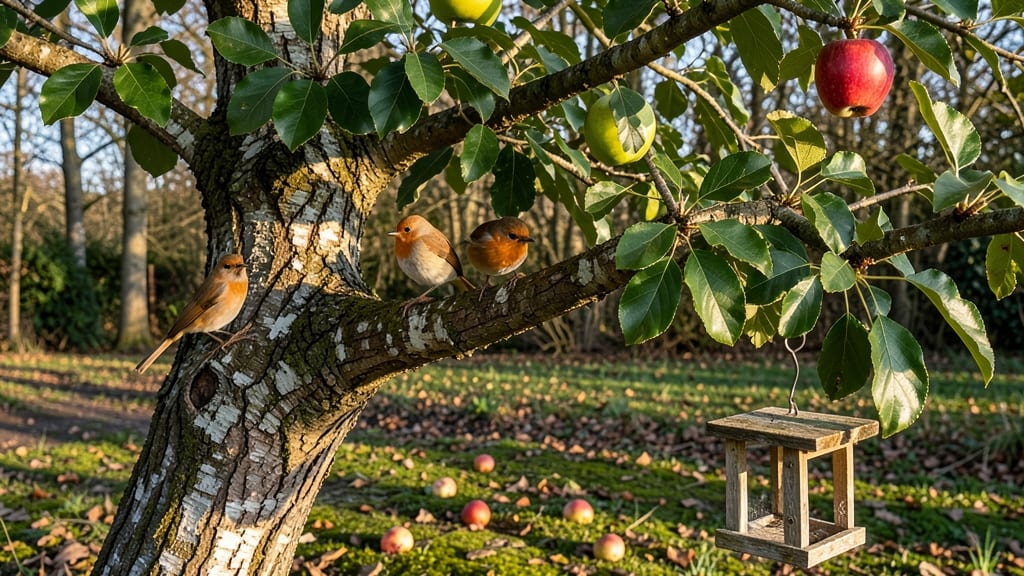
Gardeners are urged to leave out two fruits for birds, as these create natural food sources that sustain local ecosystems by providing vital nutrients and attracting species like robins, bluebirds, and thrushes during critical migration and winter periods.
Apples and berries serve as nature's perfect bird buffet, packed with vitamin C and natural sugars that help birds survive harsh winters and fuel long migrations. 💫 These fruits also play a key role in seed dispersal—when birds eat them, they spread seeds across your garden, helping native plants thrive.
I've noticed that even a single apple left on the ground can attract a dozen birds within minutes, turning my backyard into a bustling hub of activity during colder months.
What's fascinating is how different bird species target specific fruits—robins prefer soft berries, while thrushes go for overripe apples. This natural feeding behavior supports biodiversity, ensuring a healthier garden ecosystem overall.
The best part? You don't need to buy expensive feeders—simply leaving organic fruits in shallow dishes or on branches works perfectly, especially when placed near shrubs where birds can perch safely.
💡 In This Article
- Why Apples and Berries Are Essential Bird Foods
- How to Safely Offer Fruits to Birds in Your Garden
Why apples and berries are essential bird foods
The high vitamin C content in apples and berries makes them critical for birds during winter when fresh greens are scarce. A single apple contains about 8-12 milligrams of vitamin C—enough to help birds maintain their immune systems when temperatures drop below 32°F.
This nutrient is especially vital for species like robins, which rely on these fruits to prevent oxidative stress during migration when their energy reserves are depleted. 💫
Berries, in particular, offer concentrated energy in small packages. For example, a 1-ounce serving of blueberries provides roughly 84 calories, primarily from natural sugars that fuel rapid flight.
Thrushes and bluebirds have evolved to recognize overripe berries, which are softer and easier to digest, while still containing the highest nutrient density. The flesh of these fruits also contains pectin, which helps birds maintain gut health during periods of food scarcity.
Beyond nutrition, these fruits play a crucial role in seed dispersal. When birds consume apples, they excrete the seeds through their droppings, often in new locations where they can germinate. This process helps spread native plant species like crabapples and serviceberries, which in turn provide future food sources.
A single bird can disperse hundreds of seeds daily, creating a self-sustaining cycle that benefits your garden's biodiversity. 🌱
Seasonal timing is equally important. Apples ripen in late summer to early fall, aligning perfectly with birds' migration schedules. Bluebirds, for instance, time their southward journey to coincide with apple harvests, ensuring they have reliable food sources during their 1,200-mile journeys.
Meanwhile, berries like elderberries and dogwood berries ripen in late summer, providing a critical food source before winter sets in. This natural synchronization ensures birds have consistent access to energy-rich foods when they need them most.
What's often overlooked is how fruit-feeding supports breeding cycles. Male robins, for example, will bring berries to their mates as part of courtship displays, while both parents feed their nestlings mashed fruits. This behavior creates a feedback loop where healthy adult birds produce healthier offspring, strengthening local populations.
In urban gardens, this can mean the difference between a thriving bird community and one that struggles to survive. 🐦
The texture and moisture content of these fruits also make them ideal for birds. Apples' crisp yet juicy flesh is easy to swallow, while berries' small size allows birds to consume them quickly during brief feeding opportunities.
This adaptability means even ground-feeding species like sparrows benefit, as they can peck at fallen fruits without needing to perch. The combination of nutrition, accessibility, and seasonal availability makes apples and berries the perfect natural food source for garden birds. 🍏🍇