
Tools
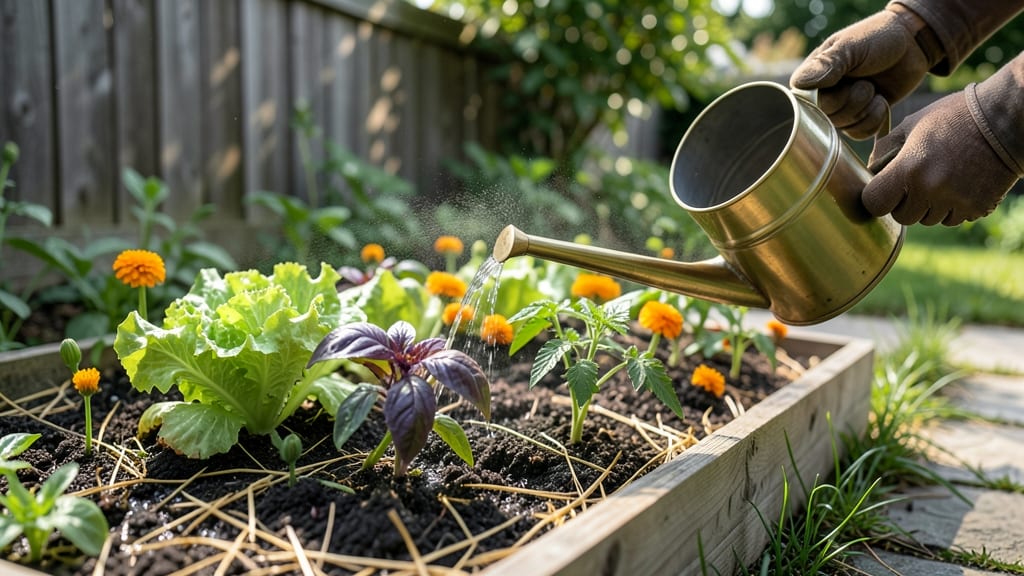
Watering your garden bed the right way means delivering moisture where it matters most—deep into the soil, not just the surface—so roots grow strong and plants thrive without waste.
Wasting water in your garden bed isn’t just inefficient—it’s a silent killer of your plants, especially in drought-prone seasons. The key to thriving growth lies in precision watering, but most gardeners either overwater (drowning roots) or underwater (stressing plants).
Here’s how to transform your watering routine into a zero-waste, high-efficiency system that saves time, money, and your plants.
Think about it: a soaker hose or drip irrigation delivers water slowly and directly to the roots, cutting evaporation and runoff by up to 60%. But timing matters too—watering in the early morning lets soil absorb moisture before the heat of the day, while evening water can invite fungal diseases.
I’ll show you how to match your method to your plants’ needs, whether they’re shallow-rooted herbs or deep-rooted vegetables.
Ready to ditch the guesswork? You’ll learn how to divide your garden into custom watering zones, pick the best tools for your setup, and spot the signs of over- or under-watering before they damage your harvest. Let’s make every drop count.
How to divide your garden bed into watering zones for optimal plant health
Creating watering zones in your garden bed is like designing a custom irrigation map for each plant’s needs. Instead of treating your entire bed like one thirsty group, you’ll group plants by their water requirements, soil preferences, and sun exposure.
This ensures drought-tolerant lavender doesn’t drown next to moisture-loving hostas, while also slashing water waste by up to 60%. Let’s break it down into actionable steps to transform your garden into a precision watering paradise.
Start by observing your garden bed like a detective. Note which plants wilt quickly (sign of thirst) and which develop yellow leaves (overwatering). Group plants with similar needs into zones—think of it like a neighborhood where everyone gets along.
For example, succulents and rosemary belong in one dry zone, while lettuce and mint need a damp corner. This simple step ensures no plant is left thirsty or drowning.
Before you mark zones, test your soil’s drainage and moisture retention. Dig a small hole, fill it with water, and time how long it takes to drain. Sandy soil drains fast (ideal for drought-tolerant plants), while clay holds moisture longer (perfect for moisture-lovers).
Adjust your zones based on these findings—amending soil with compost can also improve drainage in heavy clay areas.
Next, sketch a rough map of your garden bed using graph paper or a digital tool like SketchUp.
Label each section with: - Sun exposure (full sun, partial shade, full shade) - Plant types (herbs, veggies, perennials) - Water needs (dry, medium, wet) Use colored pencils or digital layers to visually separate zones—this makes adjustments easier later.
Now, adjust your irrigation system to match these zones. If using a sprinkler system, install separate valves or zones for each group. For drip irrigation, use emitters with adjustable flow rates—0.5 GPH for succulents and 1-2 GPH for veggies.
This targeted approach prevents runoff and ensures water goes where it’s needed most.
Pro tip: Use mulch (straw, wood chips, or leaves) to retain moisture in dry zones and prevent evaporation. In moisture-loving zones, mulch also helps regulate soil temperature. Apply a 2-3 inch layer around plants, keeping it 2 inches away from stems to avoid rot.
Monitor your zones weekly, especially during heatwaves or droughts. Check soil moisture by sticking your finger 2 inches deep—if it’s dry, water that zone. If it’s soggy, skip it.
Adjust your watering schedule seasonally; summer months may require daily checks, while spring and fall can stretch intervals to every 5-7 days.
For high-tech gardeners, invest in a soil moisture sensor like the Blossom Soil Moisture Meter. Plug it into your zones to get real-time data, eliminating guesswork. Pair it with a smart timer (like the Orbit B-Hyve) to automate watering based on moisture levels and local weather forecasts.
Finally, keep a watering journal to track which zones thrive and which need adjustments. Note weather patterns, plant responses, and any changes in soil moisture. Over time, you’ll refine your zones into a self-sustaining system that saves water, reduces stress on your plants, and boosts your garden’s productivity.
With these zones in place, you’ll not only save water but also create a healthier, more efficient garden that adapts to your plants’ unique needs. Your future self (and your plants) will thank you! 🌱
Smart watering timers & sensors: the best tools to automate efficiency
Tired of guessing when to water your garden bed? Smart watering tools take the guesswork out of irrigation, ensuring your plants get just the right amount of water—no more, no less.
These devices use real-time data to adjust watering schedules based on soil moisture levels and local weather forecasts, helping you save up to 30% on water bills while keeping your garden thriving.
From soil moisture sensors that monitor root zones to weather-based timers that pause watering during rain, there’s a tool for every gardener. I’ll break down the top options—including Rachio and Orbit B-Hyve—so you can choose the best fit for your garden bed’s needs and budget.
Soil moisture sensors are the gold standard for precision watering. These devices, like the AcuRite Soil Sensor, insert directly into the soil and send real-time data to your phone or smart controller. They’re perfect for garden beds with mixed plant types or sandy soil, where moisture levels can vary drastically. Setup is simple—just bury the probe near your plants’ root zones and connect it to your system.
If you prefer a hands-off approach, weather-based timers like the Orbit B-Hyve sync with local weather APIs to pause watering during rain or adjust cycles based on forecasts.
This saves water and prevents overwatering, which can lead to root rot. These systems typically cost between $150-$300 but pay for themselves in water savings within a season.
For the ultimate in automation, smart irrigation controllers like Rachio 3 combine soil sensors, weather data, and customizable zones. They’re ideal for larger garden beds or those with high-water-need plants like tomatoes or peppers.
While the upfront cost ($200-$400) is higher, the ability to program watering by plant type and monitor usage remotely makes them a game-changer.
Before investing, consider your garden’s size and complexity. A small bed with uniform plants might only need a basic timer, while a large, diverse garden will benefit from a smart controller.
Start with a soil moisture sensor to identify your bed’s specific needs before upgrading to full automation.
With the right tools, you’ll never again waste water—or worry about your garden bed’s health. Data-driven watering isn’t just efficient; it’s the future of sustainable gardening. 💧