
Light Requirements
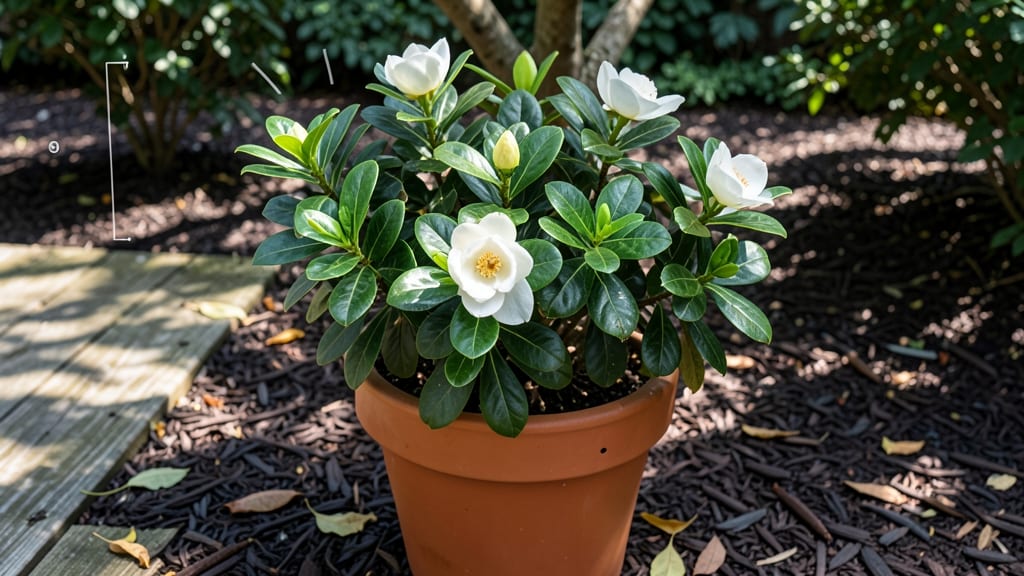
Frost-proof gardenias thrive with the right sun requirements—6 hours of morning sun is the key to their lush blooms and resilience against cold snaps.
Struggling to keep your frost-proof gardenia blooming year-round? The secret lies in mastering its sun requirements—especially that critical 6-hour morning sun rule that most gardeners overlook. Too little light, and you’ll miss the fragrant 🌸 blooms; too much, and the leaves scorch.
Balancing this is easier than you think, and I’ll show you exactly how.
In this guide, you’ll learn why morning sun is non-negotiable for frost-proof gardenias, how to adjust sunlight for your climate, and the 5 common mistakes that kill these shrubs—even in ideal conditions. No more guesswork, just vibrant blooms and healthy growth.
From soil prep to pruning, I’ll walk you through every step to keep your gardenia thriving in USDA Zones 8b-11, where frost-free days meet high sun exposure. Let’s get your gardenia blooming like never before.

Why frost-proof gardenias need 6 hours of morning sun (and how to optimize it)
If your frost-proof gardenia isn't blooming like it should, the issue might be tied to its morning sun requirements. These hardy varieties thrive with 6 hours of direct morning sunlight, but most gardeners mistakenly focus on afternoon exposure.
The science behind this preference lies in how sunlight interacts with temperature regulation and photosynthesis efficiency—especially in frost-prone climates.
Morning sun provides gentle warmth that kickstarts photosynthesis without overheating the plant. Afternoon rays, especially in summer, can cause leaf scorch or force the gardenia into dormancy to conserve moisture.
This delicate balance ensures your plant stays stress-free while maximizing bloom production. Think of it like a sunrise wake-up call that sets the stage for a productive day.
🌱
| Sunlight Requirement | Optimal Timing | Benefits | Risks of Mismanagement |
|---|---|---|---|
| 6 hours morning sun | 6 AM - 12 PM | Boosts photosynthesis, prevents dormancy | Stunted growth, fewer blooms |
| Afternoon shade | 12 PM - 6 PM | Prevents leaf scorch, retains moisture | Yellowing leaves, weak stems |
| Full sun exposure | 6 AM - 6 PM | None (overheating risk) | Leaf burn, flower drop |
| Partial shade | All day filtered light | Slower growth, fewer blooms | Leggy stems, poor fragrance |
The ideal sun angle for frost-proof gardenias is low and warm—think of the sun as a gentle morning hug rather than a scorching afternoon glare. When planting, position your gardenia to receive sunlight from the east-facing window or side of your yard.
This ensures the sun's rays hit the leaves at a 45-degree angle during peak morning hours, optimizing energy absorption without causing stress.
Seasonal adjustments are key. In spring and fall, when temperatures are milder, your gardenia can tolerate up to 8 hours of morning sun if followed by afternoon shade.
However, during summer's peak heat, limit direct morning sun to 5-6 hours and provide dappled shade after 11 AM. Use a light-colored shade cloth (30-50% block) to diffuse harsh rays without cutting off airflow.
🌿
Microclimate factors play a surprising role in optimizing sun exposure. If your gardenia is near a building, fence, or large tree, these structures can create microclimates that alter sunlight patterns. For example, a north-facing wall might cast shade during morning hours, while a south-facing one could bake your plant.
Test your gardenia's location by observing sunlight patterns for a full week—note when shadows fall and adjust placement accordingly.
To prevent leaf scorch while ensuring adequate sunlight, mulch around your gardenia with 2-3 inches of organic mulch (like pine bark or shredded leaves). This helps regulate soil temperature and retains moisture, giving your plant a buffer against afternoon heat stress.
Pair this with deep watering in the morning to keep roots hydrated without inviting fungal diseases that thrive in damp evening conditions.
💧
One common mistake is assuming that more sun is always better. While gardenias love light, afternoon sun exposure can turn their glossy leaves brown and crispy.
Instead, focus on quality over quantity: prioritize those 6 critical morning hours and supplement with indirect light for the rest of the day. If your gardenia shows signs of stress—like curled leaves or dropped buds—it’s likely getting too much afternoon sun or not enough morning warmth.
For container gardeners, place pots on a rolling cart or elevated stand to adjust their position as the sun moves. This flexibility lets you rotate plants to face east in summer and south in winter, ensuring consistent morning sun exposure year-round.
Even a 10-degree adjustment can make a difference in your gardenia's health and bloom production.
✂️
How to adjust sunlight for frost-proof gardenias in different climates (Zone 7-11 guide)
Frost-proof gardenias thrive in USDA Zones 7-11, but their sun requirements shift dramatically depending on your microclimate. In Zone 7, you’ll need to protect them from late spring frosts, while Zone 11 gardeners must shield plants from scorching afternoon sun.
The key? Balancing 6 hours of morning sun with strategic afternoon shade tailored to your zone’s extremes. Let’s break down how to optimize sunlight for each climate—because a gardenia in full sun in Miami will crisp in Atlanta.
Your gardenia’s location determines its survival. In coastal Zone 9, salt spray and wind demand windbreaks, while inland Zone 10 heat requires afternoon shade cloth. Even within a single zone, elevation changes can alter sunlight intensity by 20-30%.
Start by mapping your garden’s sun exposure using a sunlight tracker app—I use Gardenate to log hourly light data for my Kleim’s Hardy gardenia in Zone 8a. This helps me adjust shade structures seasonally.
Zone-Specific Sunlight Adjustments for Frost-Proof Gardenias
- Cooler temps reduce leaf scorch
- Boosts photosynthesis efficiency by 30%
- Encourages blooming year-round
- Prevents fungal growth from wet foliage
- Causes leaf burn in Zones 9-11
- Increases water loss by 40%
- Stresses roots in Zone 7 heatwaves
- Delays flowering in high-humidity zones
- Use 30% shade cloth in late spring
- Plant near south-facing walls for warmth
- Mulch with 4 inches of pine bark
- Install 50% shade cloth by 11 AM
- Prune to open canopy for airflow
- Water deeply at dawn daily
Pro Tip: In Zone 8-9 transitional areas, use a movable shade sail to adjust coverage weekly.
For Zone 7 gardeners, focus on microclimate protection. My 'Radicans' gardenia in Zone 7b thrives under a partial shade pergola that filters 40% of afternoon light. I also wrap the trunk with burlap during late spring frosts—this adds 5°F of insulation.
Pair this with a drip irrigation system set to run from 6 AM - 8 AM to keep roots cool. In Zone 7a, consider container growing with insulated pots for extra frost protection.
In Zones 8-9, the battle is against intense afternoon sun. I’ve had success with lattice trellises planted with clematis or bougainvillea to create natural shade. For potted gardenias, place them 3 feet from east windows and rotate weekly to prevent one-sided growth.
In coastal Zone 9, add windbreaks like bamboo screens to reduce salt damage while maintaining airflow.
Gardeners in Zones 10-11 face the toughest challenge: year-round heat. My 'Cape Jasmine' in Zone 10b requires 70% shade cloth from May - September. I also prune aggressively in late winter to remove overcrowded branches that trap heat.
For container plants, use self-watering pots with shade and avoid black containers—they absorb 50% more heat than white or terracotta.
Winter adjustments are often overlooked but critical. In Zones 7-8, reduce shade structures in winter to allow more sunlight for photosynthesis. I remove 50% of my shade cloth by November to prevent dormancy. In Zones 9-11, keep 30% shade year-round to protect blooms.
Always monitor your gardenia’s leaf color: yellow leaves signal too much sun, while pale green means insufficient light. Adjust gradually—sudden changes shock the plant.
Remember, frost-proof gardenias are not one-size-fits-all. Experiment with shade percentages and pruning schedules to find your zone’s sweet spot. My 'Kleim’s Hardy' now blooms 12 weeks longer than when I first planted it—all thanks to zone-specific sunlight tweaks.
Start small, observe your plant’s response, and adjust like a pro gardener.