
Tools
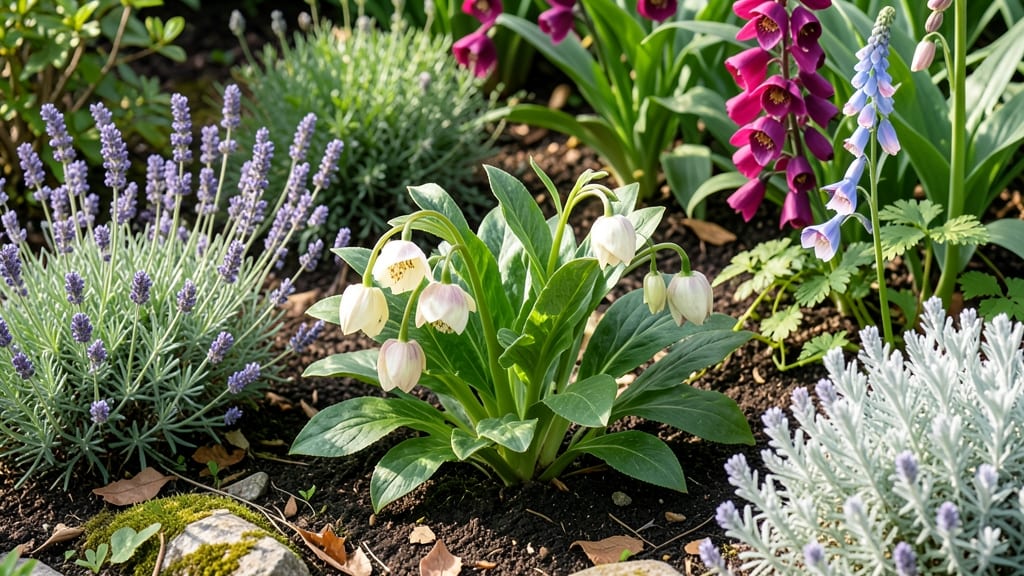
Creating an enchanted garden with colors that spark joy and magic is easier than you think—start with a palette that feels like stepping into a fairy tale.
Picture this: soft lavender borders that hum with bees at dawn, silver foliage shimmering like moonlight, and bursts of peach that glow at dusk. These aren’t just plants—they’re mood boosters, turning your outdoor space into a seasonal sanctuary where every visit feels like a hug from nature.
Whether you’re designing a cozy corner or a full border, the right color combinations can transform your garden into a whimsical escape. We’ll explore seasonal palettes that align with nature’s rhythms, from spring’s pastels to autumn’s fiery hues, and share plant pairings that create instant enchantment.
Discover how to blend textures, heights, and shades for depth, and learn the psychology behind colors that soothe, energize, or inspire nostalgia. By the end, you’ll have the tools to craft a garden that feels like a dream—no wand required.
Seasonal enchanted garden color palettes that elevate moods
Every season offers a unique opportunity to transform your garden into a mood-enhancing sanctuary using enchanted garden colors that reflect nature's energy. Spring's pastels awaken joy, summer's vibrant hues energize, autumn's warm tones comfort, and winter's soft neutrals create cozy magic.
These seasonal color schemes aren't just visually stunning—they're scientifically proven to lift spirits and create emotional harmony.
I've curated four signature palettes that align with each season's natural rhythms while incorporating psychological color theory for maximum emotional impact. Whether you're designing a whimsical border, container garden, or themed garden section, these combinations will make your outdoor space feel like a living fairy tale.
The key is balancing primary colors with supporting neutrals and textural accents to create depth and visual interest.
Let's explore how to create these magical color experiences through plant selection and arrangement techniques that work for any garden size or style. The summary table below breaks down each season's palette with specific plant recommendations, color families, and emotional benefits to help you design with intention.
For spring's renewal palette, I love combining pastel pink tulips with mint-green lamb's ear and silver foliage like dusty miller. This combination creates a soft, dreamy effect that instantly feels uplifting.
The key is to layer heights—tall tulips in back, mid-height bleeding heart in the middle, and low-growing pansies in front. Add white ornamental grasses for movement and texture to complete the look.
When designing with summer's vibrant palette, focus on high-contrast combinations like cobalt blue hydrangeas paired with magenta dahlias and golden yellow zinnias. These bold colors create visual excitement while ornamental grasses in terracotta add warmth.
For containers, use odd-number groupings (3 or 5 plants) to create natural balance. Don't forget to incorporate textural elements like feathery ferns or spiky yucca to add dimension.
Autumn's warm palette thrives on rich color contrasts—try burnt orange chrysanthemums against deep purple sedum with copper-colored smokebush as a backdrop. The rust-colored foliage of Japanese maples adds natural harmony. For a cozy garden feel, incorporate creamy white flowers like asters to balance the warm tones.
Group plants in loose, natural clusters rather than rigid rows to mimic autumn's organic beauty.
Winter's cool palette focuses on serene color relationships—pair icy blue hellebores with silver boxwood and deep green evergreen ferns. The blush tones of winter jasmine add softness without overwhelming the cool tones.
For containers, use monochromatic schemes with varying textures like glossy leaves and matte foliage. Add white berries from holly or winterberry for subtle pops of color that stand out against the cool backdrop.
To create transitional color zones between seasons, I recommend evergreen plants like boxwood or hemlock that provide structure and color continuity. These plants act as neutral canvases that let seasonal colors shine while maintaining visual cohesion.
For example, a boxwood hedge painted in soft green can serve as a perfect backdrop for spring's pastels, summer's vibrant blooms, autumn's warm tones, and winter's cool hues.
Remember that lighting plays a crucial role in how colors appear. Morning sunlight enhances cool tones, while afternoon light intensifies warm colors. For evening gardens, consider solar-powered path lights in warm white to create a magical ambiance that complements your seasonal palette.
The right lighting can transform your garden into a twilight sanctuary that feels even more enchanting after dark.
Start small by creating **
How to combine plants for a truly magical color experience
Creating an enchanted garden isn’t just about planting pretty flowers—it’s about layering colors, textures, and heights to craft a visual symphony. Start by mixing soft pastels with bold accents to draw the eye while maintaining harmony.
For example, pair lavender with silver foliage like lamb’s ear to create a dreamy, ethereal effect that feels straight out of a fairy tale.
The key to magical combinations lies in contrasting shapes and shades. Pair round blooms (like peonies) with spiky grasses (such as fountain grass) to add movement and dimension.
Don’t forget to incorporate foliage colors—deep purples, chartreuse, and burgundy leaves can turn an ordinary bed into a living masterpiece. Even a single variegated hosta or black mondo grass can anchor a design and tie everything together.
- 1 Moonlight Palette: White dahlias, silver dusty miller, and lavender for a celestial glow.
- 2 Enchanted Forest: Deep purple salvia, emerald ferns, and golden rod for a mystical, woodland vibe.
- 3 Twilight Garden: Pink cosmos, chartreuse coleus, and black mondo grass for a moody, romantic feel.
- 4 Sunset Serenade: Orange marigolds, crimson impatiens, and silver lamb’s ear for a warm, inviting glow.
To create depth, plant tall structures (like delphiniums or hollyhocks) at the back, medium-height blooms (such as roses or daylilies) in the middle, and trailing plants (like sweet alyssum or lobelia) at the front.
This layered approach ensures every visitor feels immersed in the magic, with something to discover at every glance. Even a small container garden can shine with the right mix—try purple verbena, chartreuse sweet potato vine, and white petunias for instant charm.
Don’t overlook seasonal transitions—swap out summer annuals for autumn crocuses or winter pansies to keep the enchantment alive year-round. A few evergreen shrubs (like boxwood or dwarf yew) provide structure, while ornamental grasses (such as maiden grass or feather reed grass) add movement and texture.
These elements work together to create a cohesive, ever-evolving landscape that feels alive and magical.
Finally, trust your instincts! The most enchanting gardens often come from intuitive pairings—mix unexpected colors or textures, and let your creativity guide you. Whether you’re designing a fairy garden or a moonlit retreat, the right combinations will transform your space into a living dream. 🌸🌿✨