
Landscaping
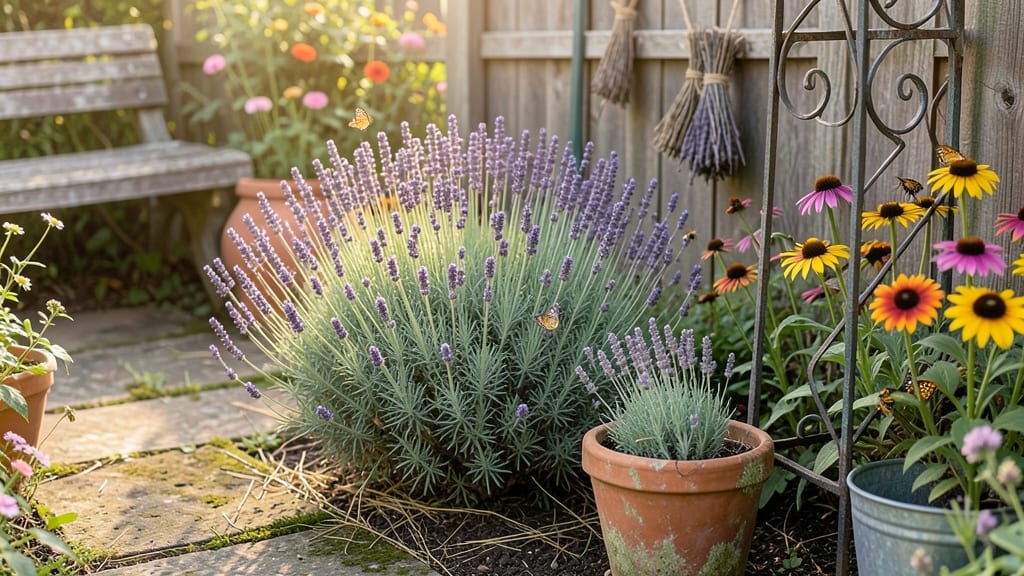
A cottage garden in Waupaca, WI thrives with hardy perennials like coneflowers, black-eyed Susans, and lavender, alongside cold-resistant annuals such as pansies and sweet alyssum. Incorporate native plants like milkweed and bee balm for pollinators, and use rustic hardscaping with stone paths and wooden trellises for charm. Mulch heavily to protect roots in Zone 4 winters.
A cottage garden in Waupaca, WI isn't just about pretty flowers—it's a celebration of plants that survive the region's harsh winters and short growing seasons.
The key is choosing Zone 4 hardy perennials that return year after year, reducing your workload while keeping color vibrant from spring to frost. 🌿 Native species like milkweed and bee balm aren't just beautiful; they create essential habitats for local pollinators struggling with habitat loss.
The rustic charm comes from mixing textures—think rough stone paths contrasting with soft lavender blooms—while mulching protects delicate roots from freeze-thaw cycles that define Wisconsin winters.
What makes Waupaca's cottage gardens special is their seasonal layering. Start with early bloomers like heuchera (coral bells) for spring color, then transition to summer's coneflowers and black-eyed Susans, and finish with late-season sedum for autumn interest.
The stone paths serve double duty—they prevent soil compaction from foot traffic and create natural garden "rooms" that make small spaces feel larger. This approach works particularly well for the region's acidic, well-draining soils, which many cottage garden plants actually prefer over alkaline alternatives.
💡 In This Article
- Top Cold-Hardy Cottage Garden Plants for Waupaca’s Zone 4
- Designing a Rustic Waupaca Cottage Garden Layout
Top cold-hardy cottage garden plants for Waupaca’s Zone 4
Waupaca's Zone 4 climate demands plants that can withstand -30°F winters while still thriving in the region's acidic, well-draining soils. The secret lies in selecting perennials with deep root systems that insulate against freeze-thaw cycles—a common challenge in Wisconsin.
Coneflowers (Echinacea purpurea) are ideal because their taproots reach 3-4 feet deep, accessing moisture while protecting against temperature fluctuations. Their daisy-like blooms also attract pollinators year-round, making them both practical and beautiful.
Black-eyed Susans (Rudbeckia hirta) earn their place through their drought tolerance and ability to self-seed, ensuring continuous color even in dry summers. Their golden-yellow petals contrast perfectly with purple coneflowers, creating a classic cottage garden palette.
For fragrance, lavender (Lavandula angustifolia) thrives in Waupaca's climate, with its silver-gray foliage providing year-round texture. The key to its success is well-draining soil—something Waupaca's sandy loam provides naturally.
Native species like milkweed (Asclepias syriaca) and bee balm (Monarda fistulosa) offer ecological benefits while being low-maintenance. Milkweed's pinkish-purple flowers support monarch butterflies, while bee balm's red or purple blooms attract hummingbirds.
Both plants handle Waupaca's humid summers and freezing winters with ease, making them perfect for pollinator-friendly gardens. Their aromatic leaves also deter pests naturally.
For annuals, pansies (Viola × wittrockiana) and sweet alyssum (Lobularia maritima) provide early and late-season color. Pansies bloom from spring to frost, while sweet alyssum's tiny white or purple flowers create a fragrant ground cover.
Both handle Waupaca's cool nights better than many other annuals, extending the garden's season. 🌸
Shrubs like butterfly bush (Buddleia davidii) add structure and height, with its fragrant purple blooms attracting butterflies. Its Zone 4 hardiness makes it a reliable choice for year-round interest. When selecting plants, always check their USDA hardiness rating—only plants rated Zone 3-4 will reliably survive Waupaca's winters.
Consider these plant characteristics for Waupaca's climate:
- Deep root systems: Protect against freeze-thaw cycles (e.g., coneflowers, lavender)
- Drought tolerance: Handles Waupaca's dry summers (e.g., black-eyed Susans, sedum)
- Fragrance: Attracts pollinators and masks garden odors (e.g., lavender, bee balm)
- Year-round interest: Provides color in all seasons (e.g., heuchera, evergreen shrubs)