
How To
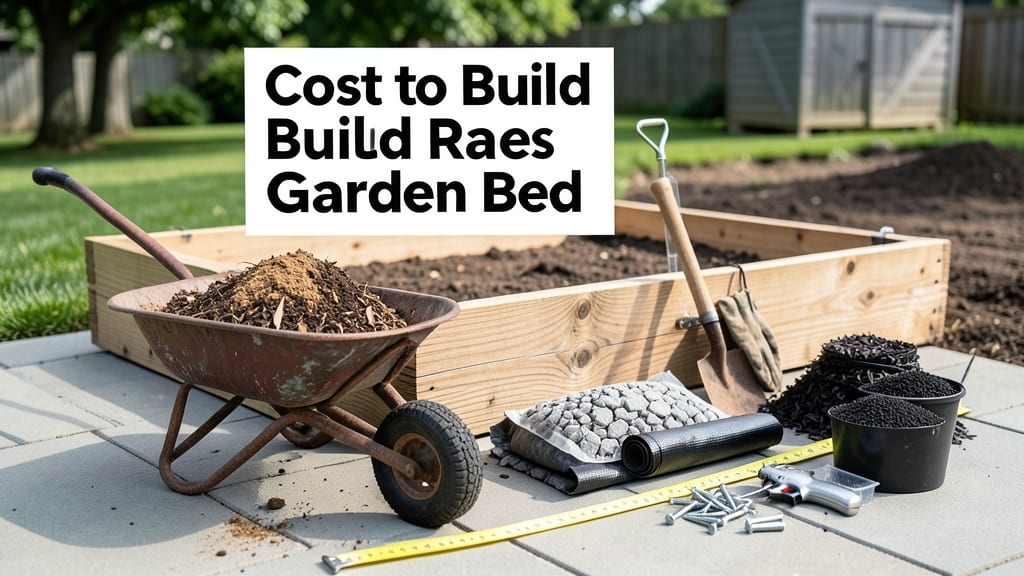
The cost to build a raised garden bed ranges from $150 to $600, influenced by bed size, material selection, and whether you handle the project yourself or hire help. Popular wood options like cedar and redwood balance cost and longevity, while composite lumber lasts longer but comes at a premium. Professional installation adds an extra $50–$150 to the total.
The total price varies widely based on what you choose.
For example, a 4x4-foot bed made from cedar planks might cost around $200–$300 for materials alone, while a larger 4x8-foot bed could reach $500–$600 with premium lumber. 🌱 I’ve found that opting for recycled materials or repurposed wood can cut costs by up to 30%, though durability may be slightly reduced.
The biggest cost driver is usually the frame itself—hardware, corner brackets, and screws add another $20–$50 depending on the design.
Another key factor is soil. If you’re filling a 4x8-foot bed with high-quality garden soil, expect to spend an extra $50–$100 depending on local prices.
This is where DIY builds often save money—skilled hands can assemble a bed in a few hours, whereas hiring a contractor might double your labor costs.
For those on a budget, starting small with a 2x4-foot bed is a smart move, as it keeps initial costs under $100 while still offering great gardening benefits.
💡 In This Article
- Material Cost Breakdown for Raised Garden Beds
- DIY vs Professional Installation Cost Comparison
Material cost breakdown for raised garden beds
Wood type dramatically impacts your budget. Cedar planks cost about $4–$7 per linear foot, making them a mid-range choice that resists rot naturally.
Redwood runs slightly higher at $6–$9 per foot due to its longevity, while pressure-treated pine drops costs to $2–$4 per foot but requires sealing to prevent chemical leaching.
For a 4x4-foot bed, cedar framing costs roughly $120–$180, while redwood jumps to $180–$270. 🌲 The most budget-friendly option is repurposed wood—pallets or old fencing can cut costs by 50% but may need reinforcement.
Hardware adds $20–$50 to your total, depending on design complexity. Galvanized screws ($10–$15 for a pound) and corner brackets ($2–$5 each) are essential for stability. A 4x8-foot bed might need 50 screws and 4 brackets, totaling around $30–$40.
For larger beds, consider hidden fasteners or mortise-and-tenon joints to reduce hardware costs while improving aesthetics. The soil itself is often overlooked—1 cubic yard of quality garden mix costs $30–$60, and a 4x8-foot bed needs about 2–3 cubic yards.
Composite lumber offers the highest durability at $8–$12 per linear foot, making it ideal for long-term beds. While upfront costs are 2–3 times higher than wood, its resistance to pests and moisture eliminates replacement expenses.
For example, a 4x4-foot composite bed costs $320–$480 but lasts 20+ years versus 5–10 years for cedar. This longevity often offsets the higher initial investment over time. 💰 The trade-off? Composite materials are heavier, requiring stronger foundations or additional support.
Regional pricing plays a huge role—cedar costs 20–30% more in coastal areas due to shipping, while recycled materials are cheaper in urban centers with scrap wood markets. Always check local lumberyards for offcuts or discounted bundles.
For a 4x8-foot bed, total material costs range from $250–$600, with soil adding another $60–$180. The biggest cost-saver? Starting with a smaller bed (2x4-foot) and expanding later as your gardening skills grow.
Don’t forget about drainage. Adding landscape fabric ($10–$20) or gravel ($5–$10 per bag) at the base prevents soil compaction and improves root health. For raised beds without bottoms, this layer is critical—skipping it can lead to $50–$100 in future repairs.
The initial investment in proper drainage pays off with healthier plants and fewer maintenance headaches. 🌱
Pro tip: Measure twice, buy once. Overestimating lumber by even 10% can add $50–$100 to your bill. Most hardware stores offer free cut lists—use them to minimize waste. For custom shapes, consider pre-cut lumber packages to avoid costly mistakes. Every inch saved in material translates directly to your bottom line.