
Companion Plants
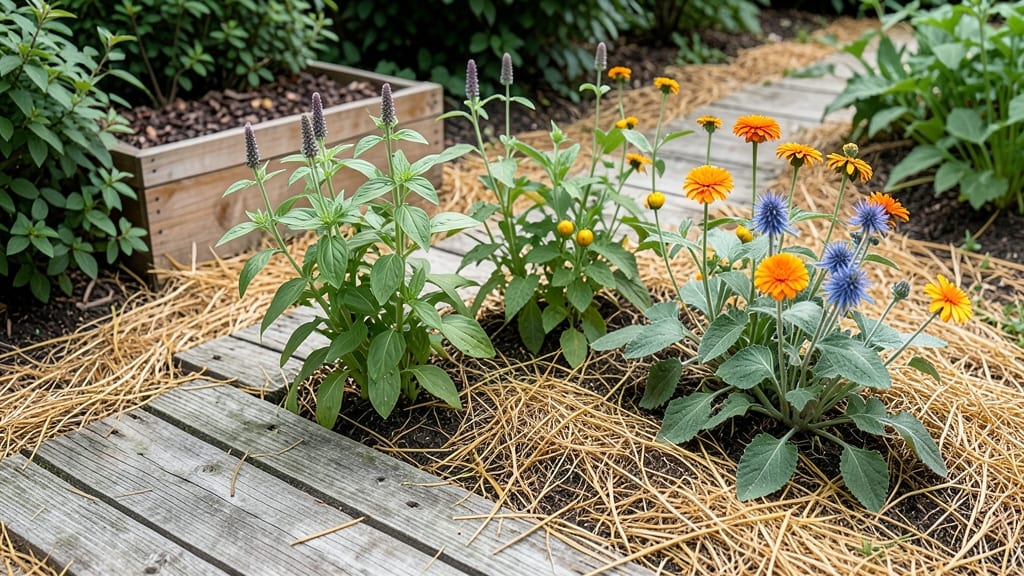
A companion garden layout transforms even the smallest yard into a high-yield, pest-free paradise by pairing plants that work together naturally.
Struggling to maximize every square foot of your small yard? A strategic companion garden layout can boost yields, deter pests, and create a thriving ecosystem—even in tight spaces.
This approach isn’t just about saving space; it’s about smarter gardening. By grouping plants with similar needs—like basil near tomatoes or marigolds around peppers—you’ll slash weeds, improve soil, and grow more food without the hassle.
Below, I’ll walk you through science-backed pairings, space-saving tricks, and the biggest mistakes to avoid so your garden thrives year-round—no matter how little room you have.
Best companion plant pairings for small yards by plant family
A companion garden layout isn't just about saving space—it's about creating a synergistic ecosystem where plants support each other's growth. By grouping plants by family, you can optimize nutrient sharing, pest deterrence, and space efficiency.
For small yards, this means fewer wasted inches and healthier plants. Let's explore the best pairings by plant family to transform your compact garden into a high-performance growing area.
One of my favorite strategies is pairing legumes with heavy feeders like tomatoes or peppers. Legumes fix nitrogen in the soil, providing a natural fertilizer for their neighbors. This is especially useful in small spaces where soil amendments are limited.
For example, bush beans planted near basil not only improve soil but also enhance the flavor of your tomatoes.
Another smart approach is combining alliums (like garlic, onions, and chives) with brassicas (such as kale, broccoli, and cabbage). Alliums naturally repel pests like cabbage moths and aphids, which can devastate brassicas.
This pairing works beautifully in small raised beds or containers, where you can layer plants vertically to maximize every inch.
🌱
| Plant Family | Companion Pairings | Benefits | Space-Saving Tip |
|---|---|---|---|
| Legumes (Beans, Peas, Peanuts) | Tomatoes, Peppers, Corn, Carrots | Nitrogen fixation, improves soil, deters pests | Plant beans at base of tomatoes to save space |
| Alliums (Garlic, Onions, Chives) | Brassicas (Kale, Broccoli, Cabbage), Carrots, Lettuce | Repels pests, improves flavor, deters aphids | Use vertical containers for layered planting |
| Brassicas (Cabbage, Broccoli, Kale) | Herbs (Dill, Mint, Sage), Beets, Potatoes | Attracts beneficial insects, deters cabbage worms | Interplant herbs between brassicas for compact growth |
| Solanaceae (Tomatoes, Peppers, Eggplants) | Basil, Marigolds, Onions, Spinach | Enhances flavor, deters pests, improves growth | Use trellises for vertical tomato growth |
| Herbs (Basil, Cilantro, Parsley) | Lettuce, Strawberries, Tomatoes, Peppers | Repels pests, improves flavor, attracts pollinators | Plant herbs in between rows of taller plants |
For small yards, solanaceous plants like tomatoes and peppers thrive when paired with basil or marigolds. Basil not only repels pests like whiteflies but also enhances the flavor of your tomatoes.
Marigolds, with their bright blooms, deter nematodes and attract beneficial insects. These pairings work exceptionally well in container gardens or raised beds, where you can control spacing more precisely.
Herbs are another powerhouse in small gardens. Cilantro and dill pair beautifully with lettuce and strawberries. Dill attracts ladybugs, which prey on aphids, while cilantro deters spider mites. These herbs also grow well in shallow containers, making them perfect for balconies or patios.
Plant them along the edges of your garden to create a natural pest barrier.
Don't overlook the power of flowers in your companion garden layout. Nasturtiums and marigolds are excellent companions for nearly every vegetable. Nasturtiums repel squash bugs and aphids, while marigolds deter nematodes and attract pollinators.
These flowers also add a splash of color, making your small garden both functional and visually appealing.
When planning your layout, consider the mature size of each plant. For example, pole beans can climb a trellis, freeing up ground space for shorter plants like radishes or lettuce.
This vertical growing technique is a game-changer for small yards, allowing you to grow more in less space. Always group plants with similar water and sunlight needs to simplify maintenance.
One of the biggest mistakes I see in small gardens is overcrowding. Even with companion planting, give each plant enough room to thrive. For instance, carrots and onions can share space, but they still need a few inches between them to prevent competition.
Use mulch to retain moisture and suppress weeds, which is especially important in tight spaces where weeds can quickly take over.
🌿
Space-saving layout strategies for tiny gardens
When space is limited, every inch counts in your companion garden layout. The key is to think vertically, group plants strategically, and use interplanting to maximize yields without sacrificing aesthetics. Even in a 4x4-foot plot, you can grow enough for a family of four with the right approach.
Start by assessing your sunlight patterns—most small gardens get partial shade. Place sun-loving plants like tomatoes and peppers near the south side, while shade-tolerant herbs like cilantro and parsley can thrive in the north. This simple adjustment ensures every plant gets what it needs without overcrowding.
- 1 Vertical Stacking: Use trellises for vining plants like cucumbers or pole beans, freeing up ground space for shorter crops. Pair them with low-growing companions like lettuce or radishes beneath.
- 2 Square-Foot Gardening: Divide your space into 1x1-foot grids and plant 4-16 plants per square based on their mature size. For example, place 16 radishes or 4 onions in a single square to avoid competition.
- 3 Interplanting: Pair fast-growing crops (like radishes) with slow starters (like carrots). Radishes mature in 30 days, leaving room for carrots to fill the space afterward without replanting.
- 4 Container Layering: Use deep pots (12+ inches) to layer plants with different root depths. Place shallow-rooted herbs (basil, thyme) on top and deeper-rooted veggies (carrots, beets) below.
- 5 Pest-Repelling Pairings: Plant marigolds around the perimeter to deter pests, then tuck bush beans nearby—they fix nitrogen while shading the soil to retain moisture.
Don’t overlook container gardening for tiny spaces. A 5-gallon bucket can grow a tomato plant paired with basil, while a hanging basket works perfectly for strawberries or cherry tomatoes. Just ensure containers have drainage holes to prevent root rot.
Rotate your companion garden layout seasonally to prevent soil depletion. For example, plant cool-season crops like spinach and peas in early spring, then swap them for heat-loving plants like peppers and eggplants in summer. This keeps your space productive year-round.
Finally, mulch generously to suppress weeds and retain moisture. Use straw or shredded leaves—they also break down slowly, adding organic matter to your soil. With these strategies, your tiny garden will feel like a high-yield paradise instead of a space constraint.