
Fertilization
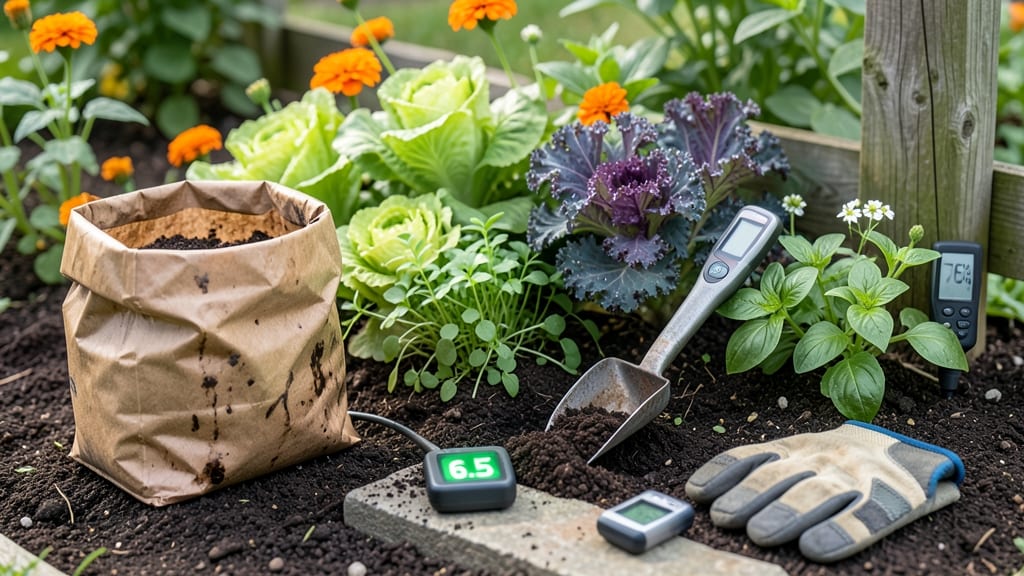
Using coffee grounds as garden fertilizer gives your soil a nitrogen-packed organic boost that enhances soil structure, feeds beneficial microbes, and thrives on acid-loving plants like hydrangeas and rhododendrons. Use them carefully—overapplying can create compaction or throw off soil pH.
Coffee grounds work as a natural fertilizer because they're packed with nitrogen—about 1.5-3% by weight—which plants crave for leafy growth. 🌱 The used grounds also help acidify soil slightly, making them perfect for plants that prefer a lower pH like blueberries or azaleas.
I recommend mixing them into compost piles or sprinkling them lightly around plants rather than piling them directly on the soil surface, which can lead to mold. For best results, dry the grounds first to prevent clumping and ensure even distribution.
What many gardeners don't realize is that coffee grounds also act as a slow-release fertilizer. Unlike synthetic options, they break down gradually, feeding your soil over time rather than delivering a quick but short-lived nutrient spike.
This makes them an excellent addition to your compost heap too—just mix them in with your green waste for a nutrient-rich boost. However, if you have alkaline soil, use them sparingly to avoid making the pH even more basic than it already is.
💡 In This Article
- How Coffee Grounds Improve Soil Chemistry
- Best Ways to Use Coffee Grounds in Your Garden
How coffee grounds improve soil chemistry
Coffee grounds act as a natural fertilizer primarily because they contain 1.5-3% nitrogen by weight—about the same concentration as fresh manure but in a more concentrated form. This nitrogen comes from proteins and amino acids in coffee beans, which break down into plant-accessible forms like ammonium and nitrate.
When mixed into soil, these compounds stimulate rapid microbial activity, creating a thriving ecosystem that decomposes organic matter and releases additional nutrients.
The acidifying effect of coffee grounds is another key benefit. Fresh grounds have a pH of around 6.2-6.8, but as they decompose, they lower soil pH by releasing organic acids like chlorogenic acid.
This makes them ideal for acid-loving plants such as blueberries (which thrive at pH 4.5-5.5) or azaleas (optimal pH 5.0-6.0). Unlike synthetic fertilizers, which can alter pH abruptly, coffee grounds provide a gradual adjustment that mimics natural forest floor conditions.
Compared to other organic fertilizers, coffee grounds offer a unique balance. While manure provides broader nutrient profiles (including phosphorus and potassium), coffee grounds deliver targeted nitrogen with minimal salt buildup—a common issue with synthetic options.
Their high carbon content also makes them excellent compost activators when mixed with nitrogen-rich greens like grass clippings (aim for a 2:1 carbon-to-nitrogen ratio in your compost pile).
What sets coffee grounds apart is their ability to improve soil structure through their fibrous texture. When decomposed, they create tiny pores that enhance aeration and water retention—critical for root development. However, their benefits diminish if not properly integrated.
Fresh grounds can mat down when piled directly on soil, creating anaerobic zones that hinder root growth. The solution? Dry them first to break down the cellulose structure before application.
For visual learners, imagine coffee grounds as tiny sponges that absorb excess moisture while releasing nutrients slowly. This dual action explains why gardeners often see lush, darker green foliage within weeks of proper application—especially on nitrogen-hungry plants like lettuce or tomatoes.
The key is moderation: ½ inch of dried grounds per plant is plenty for most garden beds.
One fascinating detail is how coffee grounds interact with mycorrhizal fungi—the beneficial soil organisms that help plants absorb nutrients. Studies show these fungi thrive in coffee-amended soils, creating an extended root network that boosts water and nutrient uptake by up to 30%.
This symbiotic relationship is why coffee grounds often outperform synthetic fertilizers in long-term soil health studies.