
Advice
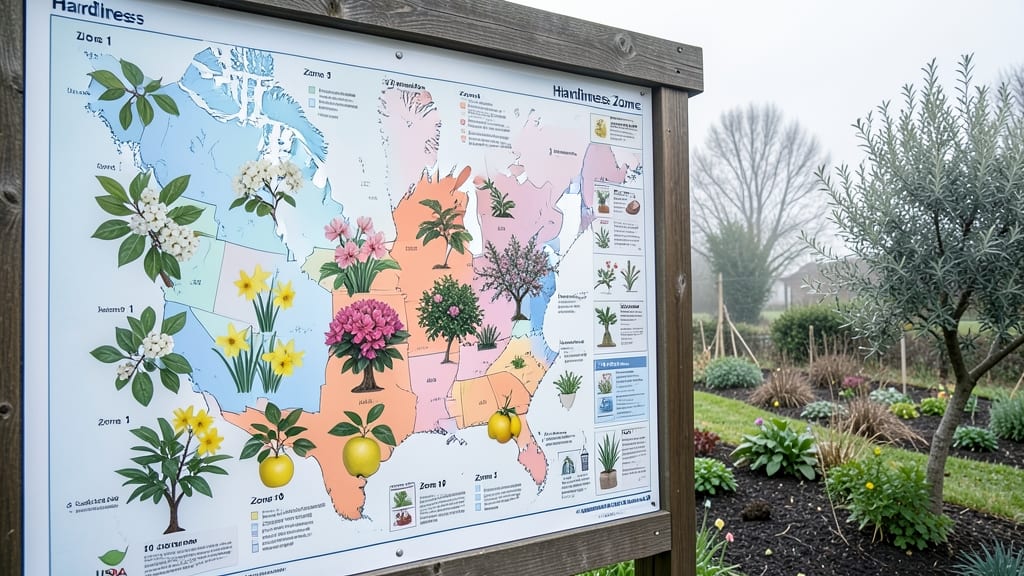
Understanding climate zones in gardening helps you choose plants that thrive in your area's temperature ranges, frost cycles, and moisture levels—directly impacting growth success and maintenance needs.
These zones act like a gardener's GPS, mapping out where plants will survive year-round based on average minimum winter temperatures and seasonal patterns.
For example, a Zone 5 garden can handle -20°F winters, while Zone 10 stays above 30°F year-round. 🌱 The USDA system divides the U.S. into 13 zones, each affecting everything from bloom times to pest pressure. Even a one-zone difference can mean the difference between thriving roses and frozen stems.
But here's the secret: your yard might not tell the whole story. A south-facing wall creates a microclimate that's 5-10°F warmer than the rest of your garden, letting you grow heat-loving plants like tomatoes in Zone 6 when the official zone says Zone 5.
I've seen gardeners in cooler zones extend seasons by using cold frames or planting heat-tolerant varieties in protected spots.
💡 In This Article
- How USDA Plant Hardiness Zones Define Gardening Success
- Microclimates: Creating Ideal Conditions Within Your Zone
How USDA plant hardiness zones define gardening success
The USDA Plant Hardiness Zone Map divides North America into 13 zones based on the average annual minimum temperature—the coldest temperature most areas experience in a typical winter.
Each zone represents a 10°F difference from the next, with Zone 1 (-50°F) being the coldest and Zone 13 (60°F) the warmest.
This system helps gardeners predict which plants will survive winter's worst freezes, as most plants die when exposed to temperatures 5-10°F colder than their hardiness rating. 🌡️ For example, a Zone 5 garden (where winters dip to -20°F) can safely grow peonies (hardy to Zone 3), but not citrus trees (hardy to Zone 9).
The zones also correlate with frost-free days, which determine growing seasons. In Zone 3 (Alaska, northern Canada), the frost-free period might last just 60-90 days, while Zone 10 (southern California, Florida) enjoys 300+ days without frost.
This affects everything from planting dates to crop selection—cool-season crops like kale thrive in short seasons, while tomatoes need 90-120 frost-free days to mature.
The map even accounts for heat tolerance: plants in Zone 11 must handle summer highs above 100°F, while Zone 4 gardens rarely see 85°F temperatures. These temperature extremes influence soil microbes, pest cycles, and even flower blooming times.
Zone shifts matter because climate change is pushing zones northward and upward by about 1-2 zones per decade in many regions. A Zone 6 garden in 1990 might now experience Zone 7 conditions, allowing gardeners to grow previously risky plants like figs or olive trees.
However, this shift isn't uniform—some areas see winter warming (fewer frost days) while others experience hotter summers, creating new challenges. For instance, Zone 5 gardeners might now struggle with heat stress in peppers, which need 75°F+ soil temperatures to thrive.
Tracking these changes helps gardeners adjust planting schedules and choose heat-tolerant varieties.
Here's what most people don't realize: the zone map is based on 30-year averages, but your microclimate might differ significantly. A north-facing slope could be 2-3 zones colder than the official zone, while a south-facing wall might add 1-2 zones of warmth.
This is why gardeners in Zone 5 can grow Zone 6 plants like hydrangeas in protected spots.
The key is observing your local conditions—tracking frost dates, monitoring soil temperatures, and noting which plants thrive (or fail) in your space. 🌿 For example, a Zone 7 garden in the mountains might need to treat itself like a Zone 5 area due to cooler nights.
To apply this knowledge practically, start by identifying your zone using the USDA map, then observe your garden's specific conditions for at least 3 years. Note when frost occurs, how long your growing season lasts, and which plants struggle.
For instance, if your Zone 6 garden gets late spring frosts, you might need to wait until May 15 to plant tomatoes instead of the traditional April 15 date.
Similarly, if your zone is shifting, consider planting heat-tolerant varieties of your favorite crops—like 'Heatmaster' tomatoes or 'Malabar' spinach—to adapt to rising temperatures.
Advanced gardeners also use degree-day calculations to fine-tune planting. This method tracks cumulative heat units (like growing degree days) to predict when plants will flower or fruit. For example, broccoli requires 900-1,200 degree-days to mature, while squash needs 1,200-1,500.
By monitoring these, you can adjust planting times to match your zone's specific heat patterns. 🌡️ Tools like the National Oceanic and Atmospheric Administration (NOAA) climate database can help you gather local data to make these calculations.