
Tools
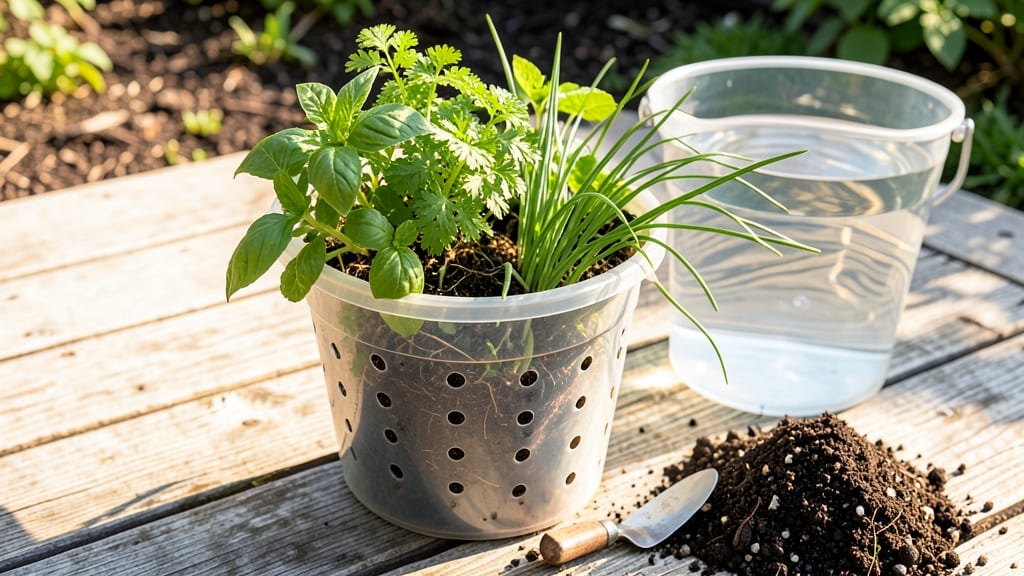
Learning bucket gardening 101 could be the simplest way to grow fresh food—even if your space is tiny or your mobility is limited.
Picture this: a sunny windowsill transformed into a thriving garden with just a few repurposed buckets. No dirt, no weeds, and no backbreaking work. This isn’t just a trend; it’s a practical solution for urban dwellers, renters, and anyone tired of struggling with traditional gardens.
You’ll discover how to pick the right containers, prep soil for maximum growth, and choose plants that love confined spaces. Whether you’re growing herbs, tomatoes, or flowers, these tips will help you avoid common mistakes and keep your plants happy all season long.
By the end, you’ll have a low-maintenance, high-reward system that fits anywhere—balcony, patio, or even your kitchen counter. Let’s get started!
How to choose the best buckets for maximum root growth
The right bucket can make or break your container garden. Root growth thrives when containers offer proper drainage, enough depth, and durable materials that resist cracking or warping. Without these, your plants will struggle—even with the best soil.
I’ve learned the hard way that a cheap plastic bucket without drainage holes leads to root rot in just weeks. Let’s break down what truly matters when selecting containers for healthy roots.
First, prioritize drainage holes—they’re non-negotiable. Roots need oxygen, and stagnant water suffocates them. If your bucket lacks holes, drill them yourself (use a 1/4-inch drill bit) or choose containers designed for plants. Next, consider bucket size.
A 5-gallon bucket works for herbs and leafy greens, but tomatoes or peppers need at least 10 gallons to support their root systems. Shallow containers stunt growth—roots can’t explore enough soil to access nutrients.
Now, let’s compare the top bucket materials for root health. Each has pros and cons that directly impact your plants’ growth potential. Below, I’ve outlined the key factors to weigh when choosing between plastic, fabric, and ceramic containers.
Pick wisely, and your roots will thank you with vigorous growth.
Plastic buckets are my go-to for beginner-friendly gardening because they’re affordable, lightweight, and won’t crack under freezing temperatures. Just drill drainage holes if they’re missing—this simple step prevents root rot and keeps soil aerated.
For heavy feeders like tomatoes, fabric grow bags outperform plastic. Their breathable walls reduce root circling (when roots spiral around the container edges) and allow roots to grow deeper naturally.
Ceramic buckets add aesthetic appeal but come with trade-offs. They dry out faster and can crack in cold weather, limiting their use to warm climates or indoor setups. If you love the look, opt for unglazed ceramic—it breathes better than glazed options.
However, avoid them for plants with aggressive root systems, like squash or corn. Instead, pair ceramic with shallow-rooted plants like basil or marigolds.
Don’t overlook the bucket’s shape. Square or rectangular containers maximize root space compared to round buckets of the same volume. For example, a 5-gallon rectangular tote holds more soil than a traditional bucket, giving roots room to spread.
If using round containers, choose wider ones—narrow buckets restrict root growth horizontally. Pro tip: Line the bottom with landscape fabric to prevent soil from washing out drainage holes while still allowing water to flow.
Another critical factor is bucket stability. Heavy containers (like ceramic) can tip over in wind or when watered. If you’re growing on a balcony or deck, secure them with saucer trays or place them on non-slip mats.
For plastic or fabric buckets, fill them 2/3 full with soil to add weight and prevent tipping. This also leaves room for mulch, which retains moisture and regulates soil temperature—both crucial for root health.
Lastly, consider reusability. Plastic and fabric buckets last years, while ceramic may need replacing every few seasons. If sustainability is a priority, choose recycled plastic or hemp fabric grow bags.
I’ve reused a 5-gallon paint bucket for years by adding drainage holes and a layer of pebbles at the bottom. With the right care, your containers can become a long-term investment in your garden’s success.
Remember, the best bucket for your plants depends on their root type and growth habits. Deep-rooted plants like carrots or beets need containers at least 12 inches deep, while shallow-rooted herbs thrive in 5-gallon buckets.
Start small, observe how your plants respond, and adjust your container choices as you gain experience. Happy root growing!
Top 5 bucket gardening plants that love confined spaces
Not all plants thrive in buckets, but some root-friendly varieties flourish with minimal space. The key? Choosing plants with compact growth habits and shallow root systems. These high-yield bucket plants deliver big rewards in small containers, making them perfect for balconies, patios, or even kitchen windowsills.
Let’s dive into my top 5 favorites that’ll make your bucket garden a success.
I’ve tested these plants in 5- to 10-gallon buckets and can confidently say they’re the easiest, most productive choices for beginners. Each plant comes with its ideal bucket size, sunlight needs, and a beginner difficulty rating (⭐ = easy, ⭐⭐⭐ = moderate, ⭐⭐⭐⭐⭐ = advanced). No more guesswork—just plug-and-grow results!
-
1. Cherry Tomatoes
Bucket Size: 5-gallon
Sunlight: 6-8 hours
Difficulty: ⭐⭐⭐
Care Tip: Prune suckers weekly for bushier growth. -
2. Lettuce (Leaf Varieties)
Bucket Size: 1-gallon
Sunlight: 4-6 hours
Difficulty: ⭐
Care Tip: Harvest outer leaves to encourage regrowth. -
3. Green Onions (Scallions)
Bucket Size: 3-gallon
Sunlight: 4-5 hours
Difficulty: ⭐
Care Tip: Snip regrowth every 2 weeks for continuous harvests. -
4. Peppers (Mini Bell or Jalapeño)
Bucket Size: 5-gallon
Sunlight: 6-8 hours
Difficulty: ⭐⭐⭐
Care Tip: Use a balanced fertilizer every 4 weeks. -
5. Basil
Bucket Size: 1-gallon
Sunlight: 4-6 hours
Difficulty: ⭐⭐
Care Tip: Pinch back flowers to boost leaf production.
Why these plants? They’re fast-growing, space-efficient, and perfect for small-space gardening. Cherry tomatoes and peppers need slightly larger buckets to support their root systems, while lettuce and basil thrive in compact containers.
Green onions are my secret weapon—they regrow like crazy, giving you fresh harvests every few weeks with almost no effort.
Pro tip: Mix and match these plants in larger buckets (like 10-gallon containers) to create a mini ecosystem. For example, pair cherry tomatoes with basil—the tomato’s shade helps the basil stay cool, while the basil deters pests.
It’s a win-win! Just ensure each plant gets enough space to avoid competition for nutrients and sunlight.
Remember, the soil mix is just as important as the plant choice. Use a lightweight, well-draining potting mix with added compost to keep roots happy. Avoid garden soil—it compacts in buckets and suffocates roots.
With the right plants and soil, your bucket garden will be bursting with life in no time!
Ready to start? Grab a bucket, pick your favorite from this list, and let the growing begin. Your balcony (or windowsill) will thank you with a bounty of fresh, homegrown goodness! 🌱