
Pruning
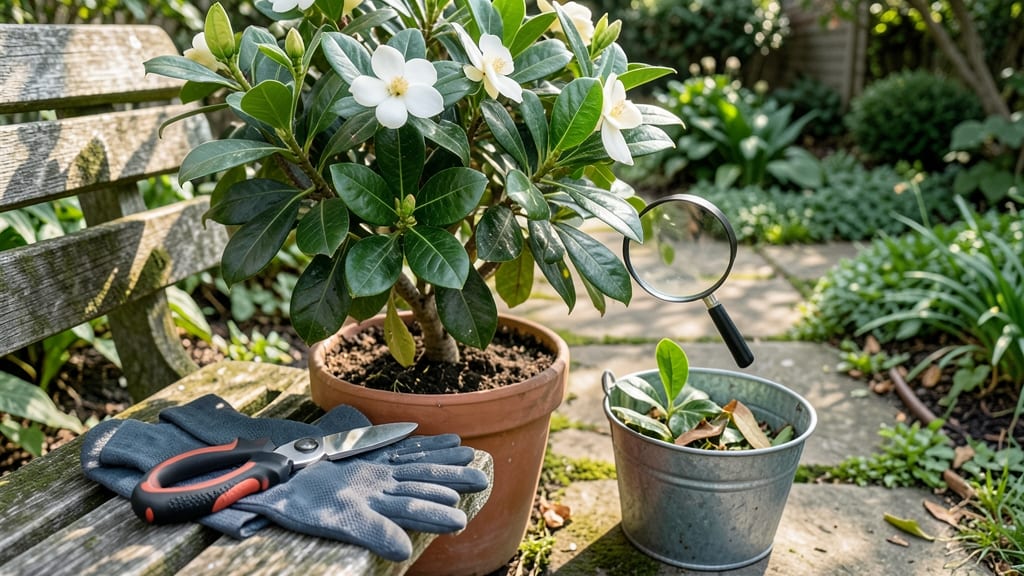
Trimming gardenias at the right time—right after their spring blooms—sets the stage for next year’s lush, fragrant flowers while avoiding the mistakes that leave plants stressed or bare.
Picture this: You’ve waited all winter for those creamy-white gardenia blossoms to perfume your yard, only to prune too early and watch new growth fizzle before summer. Or worse, you cut back in fall and risk frost damage.
The best time to trim isn’t just a season—it’s a delicate balance of bloom cycles, climate, and plant health.
Most gardeners in USDA Zone 6a (like me!) should prune between late May and early June, once the flowers fade but before summer heat stresses the plant. But if you live in a warmer climate, the window shifts—sometimes even into early summer.
I’ll break down the exact cues to watch for, from new leaf buds to the last frost date, so you never guess again.
Beyond timing, you’ll learn how to shape your gardenia for maximum blooms, which branches to snip (and which to leave alone), and post-pruning care to keep your shrub thriving. Let’s turn pruning from a gamble into a guaranteed way to enjoy those intoxicating blooms year after year.
Why late spring after blooming is the best time to trim gardenias
Gardenias thrive when pruned at the right time, and late spring—right after blooming—is the optimal window for this task. This timing aligns perfectly with the plant’s natural growth cycle, ensuring you stimulate new growth while preserving next year’s flower buds.
Pruning too early or late can stress the plant, reduce blooms, or even invite disease.
When you trim gardenias after their spring blooms, you’re essentially encouraging fresh foliage and air circulation, which both boost overall plant health. The scientific reasoning behind this timing lies in the plant’s dormancy phase and bud formation patterns.
Late spring cuts allow the plant to recover quickly before summer heat sets in.
Key benefits of late spring pruning include:
- Promoting lush, dense growth by removing old wood
- Preventing fungal diseases through better airflow
- Preserving next year’s blooms by avoiding late-season cuts
- Shaping the plant for a fuller, more attractive appearance
| Pruning Stage | Best Time | Purpose | Climate Note |
|---|---|---|---|
| Post-Bloom | Late May - Early June | Stimulate new growth | Works in USDA 7-10 |
| Light Shaping | June - July | Maintain shape | Avoid heavy cuts |
| Deadheading | Ongoing (Spring-Summer) | Encourage more blooms | All climates |
| Avoid Pruning | Fall/Winter | Can harm next year’s buds | Critical in cold zones |
The natural growth cycle of gardenias makes late spring the perfect time because it’s when the plant has already completed its primary blooming phase. By then, the old flower buds have fulfilled their purpose, and the plant is ready to redirect energy toward new growth.
This timing also minimizes stress compared to pruning during dormancy or extreme heat.
One common pruning mistake is cutting too late in the season, which can stunt next year’s blooms. Gardenias form their flower buds on new wood, so heavy pruning after early summer can reduce next spring’s blooms.
Another error is pruning too aggressively, which removes too much foliage and exposes the plant to sunburn or pests.
Late spring pruning also enhances air circulation, which is crucial for preventing powdery mildew and other fungal diseases. The glossy leaves of gardenias are prone to moisture buildup, and proper pruning reduces humidity around the foliage. This is especially important in humid climates where fungal issues are more common.
To maximize blooms, focus on removing dead or crossing branches first. Then, trim back overgrown stems by about one-third to encourage bushier growth. Always use clean, sharp pruners to make smooth cuts just above a leaf node.
This ensures the plant can heal quickly and grow new shoots efficiently.
After pruning, apply a light layer of mulch around the base to retain moisture and regulate soil temperature. This step is particularly important in hot climates where the plant may lose water quickly.
Pair this with regular watering in the morning to support recovery and encourage strong new growth.
If you’re in a warmer climate (USDA 9-10), you can extend pruning slightly into early summer, but avoid heavy cuts after July. In cooler zones (USDA 7-8), stick strictly to late spring to avoid frost damage to new growth.
Understanding your local climate zone helps tailor pruning to your gardenia’s needs.
By pruning gardenias at the right time, you’re not just shaping the plant—you’re setting it up for success in the next growing season. The late spring window ensures your gardenias stay healthy, fragrant, and full of blooms year after year. 🌸
Step-by-step guide to pruning gardenias for maximum blooms
Pruning your gardenias at the right time is the key to encouraging abundant blooms while maintaining a healthy shrub shape. Unlike many plants, gardenias bloom on new wood, meaning you should never prune in late winter or early spring—this removes next year’s flower buds.
Instead, focus on post-bloom pruning to stimulate fresh growth and prepare for the next flowering cycle.
Timing your cuts correctly also prevents disease spread and reduces stress on the plant. When done properly, pruning can double your gardenia’s blooms while keeping the foliage lush and vibrant. Whether you’re a beginner or seasoned gardener, following these steps ensures your gardenias thrive year after year.
- 1 Wait until late spring (after May) when gardenias have finished blooming. Look for spent flowers and yellowing leaves as your cue.
- 2 Gather your tools: sterilized pruning shears, sharp bypass pruners, and disinfectant (rubbing alcohol or bleach solution) to prevent bacterial spread.
- 3 Remove dead or diseased branches first, cutting back to the nearest healthy bud or leaf node. These cuts should be at a 45-degree angle to encourage water runoff.
- 4 Shape the shrub by trimming overcrowded branches and crossing limbs. Aim to create an open center for better airflow, reducing the risk of fungal diseases like powdery mildew.
- 5 For mature gardenias, lightly trim 1/3 of the oldest wood to encourage new growth. Avoid cutting into woody stems more than 1/4 inch in diameter.
- 6 Clean up pruned debris immediately and sterilize tools between cuts. Apply a balanced fertilizer (10-10-10) to support new growth and flower production.
- 7 In warm climates (USDA zones 9-11), you can prune lightly in early fall to shape the plant, but avoid heavy cuts. In colder zones (6-8), wait until late winter for minimal pruning to avoid frost damage.
If your gardenias are overgrown or woody, consider a gradual pruning approach over 2-3 years to avoid shocking the plant. Always prune on a dry, sunny day to help wounds heal faster and reduce disease risk.
After pruning, monitor your gardenias for new growth—this is your sign that the plant is recovering well.
For organic pruning, use compost tea or neem oil to treat cuts and promote healing. In humid climates, apply a copper fungicide to prevent leaf spot diseases that thrive in damp conditions.
With the right timing and care, your gardenias will reward you with fragrant blooms for seasons to come.
🌸