
Tools
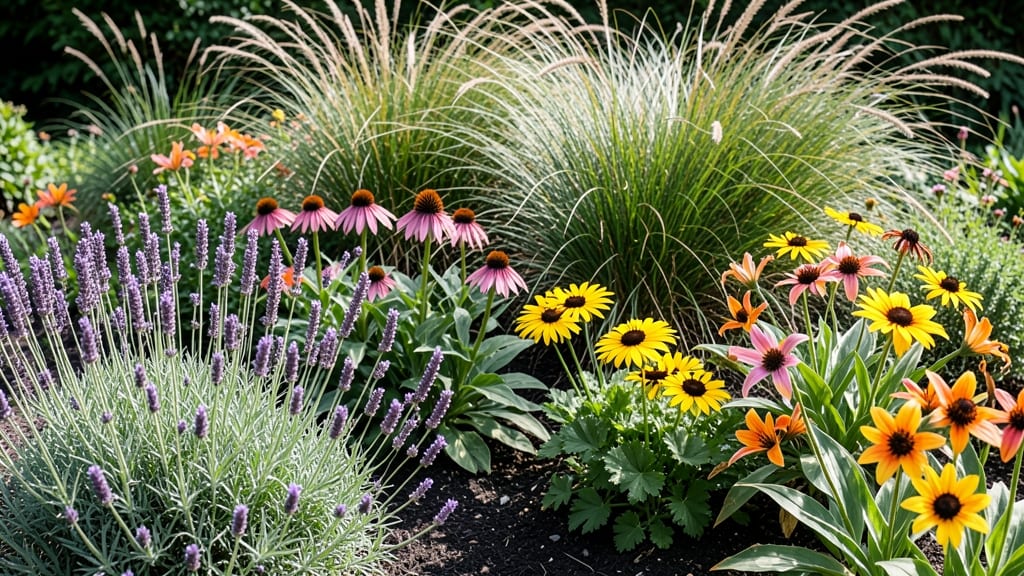
The best place for a garden depends on sunlight, soil, and space — and getting it right means the difference between a lush, productive plot and a struggle to keep plants alive.
Picture this: you’ve spent hours prepping soil, planting seeds, and watering faithfully, only to watch your 🌱 garden wilt under the wrong conditions. That’s why choosing the right spot isn’t just about aesthetics—it’s about survival.
Whether you’re working with a sunny backyard, a shady corner, or a tiny balcony, the key lies in matching your space to what your plants truly need.
Sunlight is the most critical factor, but soil quality and available space can’t be ignored. A spot with 6-8 hours of sun works for most vegetables and flowers, but herbs and leafy greens might thrive in partial shade.
Meanwhile, urban gardeners might need to get creative with containers or vertical setups to maximize every inch.
Below, I’ll break down how to assess your yard’s potential, from testing soil drainage to spotting microclimates that could give your garden an edge. Whether you’re a beginner or a seasoned grower, these secrets will help you pick the perfect spot for a thriving harvest.
Optimal sunlight requirements for different garden types
Sunlight is the lifeblood of your garden—without it, even the hardiest plants will struggle. The best place for a garden depends entirely on how much sun your plants need, which varies dramatically between vegetables, flowers, herbs, and shade-loving varieties.
I’ve spent years testing different spots in my yard, and I’ve learned that 6-8 hours of direct sunlight is the golden standard for most edibles, while flowers and herbs often thrive with slightly less. The key is understanding your yard’s natural light patterns before you plant.
To assess sunlight exposure, I recommend using a simple sunlight mapping trick**: Observe your yard at different times of day for a week. Mark areas that get morning sun, afternoon sun, or dappled shade. Most yards have microclimates—spots where sunlight behaves differently due to trees, buildings, or slopes.
For example, my south-facing patio gets brutal afternoon sun, while the north side stays cooler and shadier. Knowing these differences helps me place sun-loving tomatoes where they’ll thrive and delicate lettuce where it won’t bolt.
Here’s a quick breakdown of what your garden needs based on plant type:
Vegetables like tomatoes and peppers demand full sun exposure to produce sweet, flavorful fruits. I once planted a tomato in partial shade, and while it survived, the yield was pitiful—less than half of what my sun-soaked plants produced.
For herbs like basil and cilantro, I’ve found that 4-6 hours of morning sun works best; too much afternoon heat can cause them to bolt or turn bitter.
Meanwhile, shade-loving plants like hostas and ferns thrive where others would wilt, making them perfect for under large trees or along north-facing walls.
If your yard lacks full sun, don’t despair—you can still grow a productive garden. For example, I use reflective surfaces like white gravel or mirrors to bounce extra light onto shadier spots.
Another trick is to choose compact, sun-tolerant varieties of vegetables, such as bush beans or dwarf tomatoes, which can thrive with just 4-5 hours of sun. For flowers, partial shade plants like impatiens or begonias add color without demanding much sunlight.
The key is matching your plants to the light conditions you have, not forcing them into spots where they’ll struggle.
One common mistake I see is assuming that partial shade means dappled sunlight. In reality, partial shade can range from 3-6 hours of filtered light to nearly full shade.
To avoid confusion, I recommend using a sunlight meter app or simply observing how light behaves in your space over a few days. For instance, a spot under a deciduous tree might get full sun in early spring before leaves emerge but turn into partial shade by summer.
Planning for these changes ensures your garden stays healthy year-round.
For container gardening, sunlight needs become even more critical because you can’t move plants easily. I always place my herb pots on a sunny windowsill or balcony railing, where they get consistent light.
If you’re growing vegetables in containers, prioritize south-facing spots or use grow lights for 12-14 hours a day during shorter winter months. Even a small balcony can become a productive garden if you choose the right plants and monitor their light exposure closely.
Another pro tip: Rotate your crops annually to prevent soil depletion and disease. But here’s the catch—if you’re moving sun-loving plants to a shadier spot, they’ll likely underperform. Instead, I map out my garden layout each year, grouping plants with similar sunlight needs together.
This way, my tomatoes and peppers stay in the sunniest spot, while my lettuce and spinach get the partial shade they prefer. It’s a simple system that saves me from endless trial and error.
Finally, remember that seasonal changes affect sunlight. In winter, days are shorter, and sunlight is less intense, which can stress sun-loving plants. To combat this, I extend the growing season with row covers or cold frames for delicate crops.
For shade-loving plants, winter might actually be their prime time, as they can handle the cooler temperatures and reduced light. By understanding these seasonal shifts, you can adjust your garden strategy to keep everything thriving year-round.
Start small, observe your yard’s light patterns, and don’t be afraid to experiment. The best place for
How to evaluate soil quality and space for a thriving garden
Choosing the best place for a garden starts with understanding your soil quality and available space. Healthy soil provides essential nutrients, while proper space ensures your plants have room to grow. Whether you're working with a small balcony or a sprawling backyard, these factors will determine your garden's success.
Begin by assessing your soil composition. Healthy garden soil should be a mix of sand, silt, and clay with organic matter like compost. If your soil feels compacted or drains poorly, it may need amendments like perlite or compost to improve structure and fertility.
A simple soil test kit (available at garden centers) can reveal pH levels and nutrient deficiencies.
⚠️ WARNING: Poor Soil Can Stunt Growth
⚠️ Avoid planting directly in heavy clay or waterlogged areas! These conditions restrict root growth and lead to root rot. Instead, opt for raised beds or amend the soil with organic matter. For acid-loving plants like blueberries, test your soil pH—ideal levels are 4.5-5.5. Most vegetables prefer a neutral pH (6.0-7.0). If your soil is too alkaline, add sulfur; for acidic soil, use lime.
Next, evaluate your space constraints. Even small areas can support a productive garden with creative solutions. Containers work well for herbs and lettuce, while vertical gardening maximizes wall space for trailing plants like beans or cucumbers.
Raised beds are ideal for controlling soil quality and improving drainage in tight spots.
For larger plots, consider dividing the space into sections based on plant needs. Group sun-loving vegetables like tomatoes and peppers together, while shade-tolerant greens (such as spinach or kale) can thrive under taller plants. Always leave 18-24 inches of space between rows for airflow and easy maintenance.
Don't overlook drainage—waterlogged soil suffocates roots. If your yard has poor drainage, create slight slopes or build raised beds. Mulching with straw or wood chips helps retain moisture and suppresses weeds, keeping your garden healthy with minimal effort.
Finally, observe your garden's microclimate. Areas near buildings or fences may stay warmer or cooler than the rest of your yard. Use this to your advantage by placing heat-sensitive plants (like lettuce) in shadier spots and heat-loving crops (like peppers) in sunnier areas.
With these steps, you'll create an ideal growing environment tailored to your unique space. 🌱